


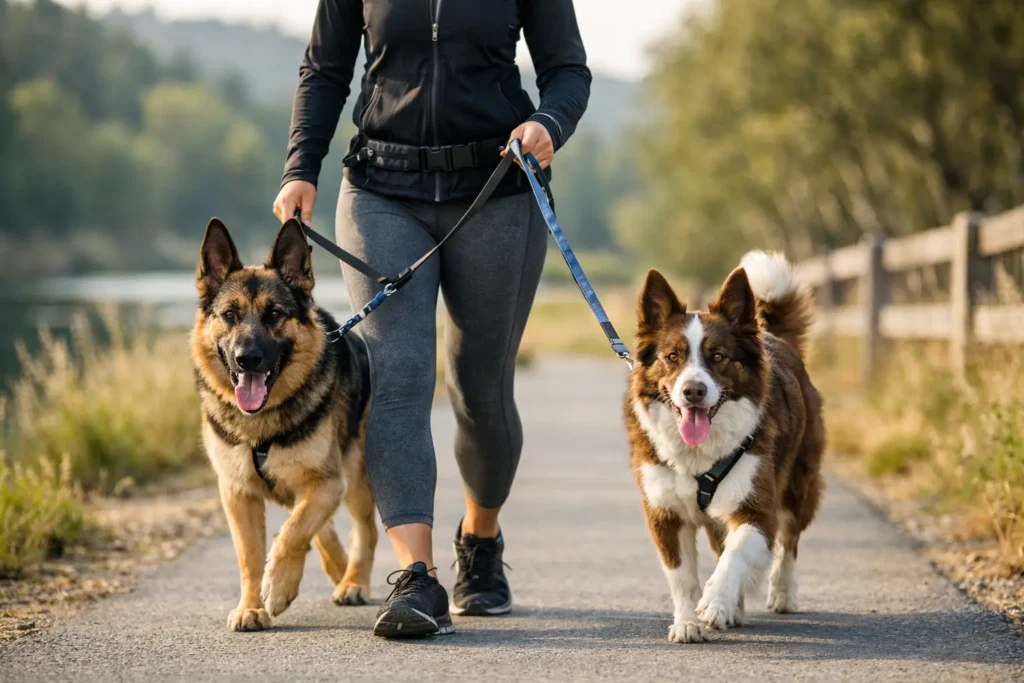
A high-energy dog can turn a quick trip around the block into a full-body workout for their person. The pulling, zigzagging, scent chasing, and intense interest in every scooter, pigeon, and passing dog are not signs that your dog is bad. They are signs that your dog has energy, curiosity, and needs that deserve a clear outlet. Structured walks for energetic dogs give that energy a productive job while making busy Manhattan sidewalks safer and more enjoyable for everyone.
A structured walk is not about forcing a dog to march at your side without looking at the world. It is a purposeful outing with a calm start, consistent handling, physical movement, mental engagement, and thoughtful pacing. For many energetic dogs, that combination is far more satisfying than simply covering as much ground as possible.
Why energetic dogs need more than a long walk
Distance matters, but it is only one part of a good walk. A dog who spends 45 minutes pulling hard from corner to corner may come home physically tired, yet still overstimulated and ready to react to the next sound in the hallway. On the other hand, a dog who gets movement paired with clear expectations, sniffing opportunities, and calm guidance often settles more easily afterward.
City dogs process a remarkable amount of information outside. There are delivery carts, traffic, construction noise, crowded corners, food smells, other dogs, children, runners, and sudden changes in space. For an energetic dog, every one of those things can raise excitement. Structure helps turn a chaotic environment into something predictable.
The goal is not to eliminate your dog’s personality. A playful young Lab may always be thrilled by a park-bound walk, and a terrier may always have strong opinions about pigeons. The goal is to help your dog move through the city with better focus, safer choices, and room to enjoy being a dog.
What structured walks for energetic dogs look like
A successful walk begins before the front door opens. If your dog bursts through the doorway, pulls down the hall, and launches into the street, they have already practiced a frantic pattern. Taking a moment for a calmer exit sets a different tone. That may mean waiting briefly at the door, checking that the leash is positioned comfortably, and asking for a pause before entering the hallway or elevator.
Once outside, structure comes from consistency rather than rigidity. Your dog should understand that pulling does not make the walk move faster, while a loose leash and check-ins keep things moving. The handler pays attention to the dog’s body language, the sidewalk ahead, and the level of stimulation in the area. If an intersection is busy, the dog may need closer guidance. On a quieter stretch, there may be more room to sniff and decompress.
A good structured walk usually includes three elements: purposeful movement, brief opportunities to explore, and moments of reset. Purposeful movement helps use physical energy. Sniffing gives dogs important mental enrichment. Resets, such as pausing before a crosswalk or redirecting attention away from an approaching dog, build emotional regulation.
That balance matters. A walk with no sniffing can feel frustrating to a dog who experiences the world through scent. A walk with no guidance can become a scavenger hunt led by the strongest pull on the leash. The right mix depends on your dog’s age, health, breed tendencies, training history, and how they respond to urban stimulation.
The first 10 minutes often set the tone
Many energetic dogs are most excited at the beginning of an outing. Rather than treating that excitement as something to fight, a skilled handler channels it. A slightly brisk pace, simple direction changes, and rewarding moments of slack leash can help a dog settle into the rhythm of the walk.
If your dog is already overstimulated before leaving home, start smaller. Practice a calm leash attachment, a pause at the apartment door, and one composed hallway transition. Those short repetitions are valuable. They teach your dog that access to the exciting outdoors comes through cooperation, not a race to the curb.
Why one-on-one attention matters in Manhattan
For energetic dogs, the difference between a group outing and individualized handling can be significant. Pack walks may be practical for some social, easygoing dogs, but they are not automatically the best choice for a dog who pulls, becomes reactive, is still learning leash skills, or needs a pace tailored to their energy level.
One-on-one walks allow the handler to respond in real time. If your dog needs extra distance from another dog, there is no group to manage. If they are doing beautifully with loose-leash walking, the handler can reinforce that progress immediately. If they need a quieter route because construction is unusually loud, the plan can change without compromising another dog’s needs.
This attention is especially helpful for puppies, adolescent dogs, recent rescues, and dogs with separation anxiety. These dogs may need reassurance as much as exercise. A dependable walker who arrives consistently, reads their signals, and follows the same cues can become an important part of their daily routine.
At Pet Love NYC, structured walks are built around that individual relationship. A 30-minute walk may be right for a dog who needs a midday potty break, focused leash practice, and a reset between long work hours. A 60-minute walk can provide more time for movement, enrichment, and calmer decompression. Neither option is universally better. The right duration depends on what helps your particular dog return home content, not simply exhausted.
Leash manners are part of safety, not a separate project
In a dense city, leash skills affect more than comfort. They matter at crosswalks, near open building doors, around cyclists, and when another dog appears unexpectedly. A dog who can pause at an intersection, respond to a gentle change of direction, and recover after excitement has a safer daily experience.
That does not mean every walk should feel like a formal training session. Constant corrections can make an energetic dog more frustrated, especially if they do not understand what is being asked. Better results come from clear, repeatable communication: reward the behavior you want, prevent unsafe choices when possible, and give the dog enough distance to succeed.
For example, if your dog spots another dog across the street and begins to fixate, crossing early or turning onto a quieter block may be smarter than insisting they sit through an overwhelming moment. Management is not failure. It is a thoughtful way to protect progress while your dog learns.
Dogs also benefit when the people in their lives use similar expectations. If one person allows hard pulling to reach every tree while another asks for a loose leash, the dog receives mixed information. A professional walker can help create consistency by sharing practical updates after each visit: what triggered excitement, what route worked well, whether your dog settled faster, and which cues were successful.
Choosing the right walk for your dog
Start by looking at what happens after the walk. Does your dog drink water, rest, and seem comfortably satisfied? Or do they pace, bark at the window, and remain wound up? A tired dog is not always a regulated dog. Some dogs need more physical activity, while others need a calmer route, more sniffing, or better support around triggers.
Age makes a difference, too. Puppies have plenty of energy but should not be pushed into long, repetitive exercise before their growing bodies are ready. Senior dogs may still be mentally lively while needing a gentler pace. Brachycephalic breeds, dogs recovering from injury, and dogs in summer heat need careful adjustments. A personalized approach is safer than assuming every energetic dog needs the same long, fast walk.
Communication should be part of the service, not an afterthought. Check-in and check-out alerts, walk summaries, photos or videos, and responsive follow-up give owners more than peace of mind. They provide a useful picture of patterns over time. You may notice that your dog is calmer after a certain route, more reactive at a specific time of day, or making real progress at intersections.
The best structured walk leaves room for joy. Your dog should get to sniff the interesting corner, trot with purpose, receive warm encouragement, and come home feeling cared for. With patient handling and a plan that fits their needs, that big city energy can become one of the things you love most about them.