


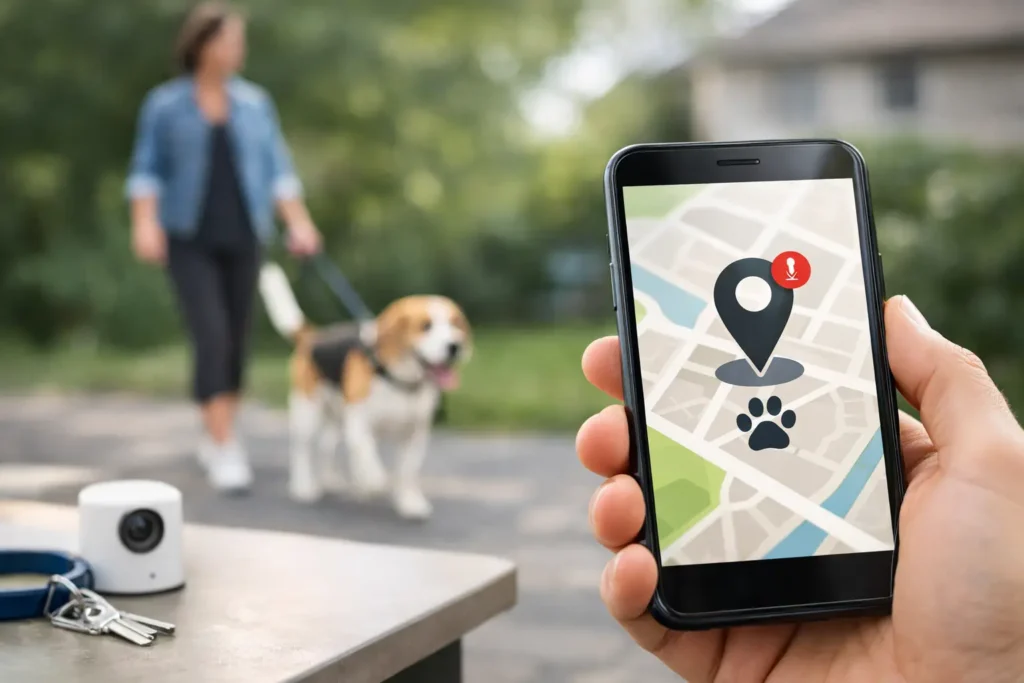
You glance at your phone between meetings and see the message you were waiting for: your dog has been picked up, the walk has started, and everything is going smoothly. That is the real value of dog walker check in alerts. In a city like Manhattan, where schedules are packed and sidewalks move fast, that simple update can make the whole day feel more manageable.
For many dog owners, hiring a walker is not just about bathroom breaks or exercise. It is about trusting someone with your dog, your home, and your routine. When communication is clear, that trust grows. When it is vague or inconsistent, even a good walk can leave you wondering what happened, when your dog went out, and whether everything was handled the way you expected.
Dog walker check in alerts solve that problem in a very practical way. They create a clear record of care, and they reassure owners that their dog is getting the attention they need at the right time. More than that, they show that the walker values accountability just as much as affection.
What dog walker check in alerts actually do
At the most basic level, check-in alerts let you know when your walker has arrived and when your dog is out for their scheduled walk. Check-out alerts confirm that your dog is safely back home. In many cases, those alerts are paired with walk summaries, photos, videos, and short notes about mood, energy level, bathroom activity, and behavior.
That might sound simple, but simple is the point. Busy owners do not want to chase updates or send a text asking whether the walk happened. They want timely information without extra effort. A dependable alert system provides that.
It also helps set expectations. If you have a recurring 30-minute walk in the middle of your workday, you should not have to guess whether your dog was taken out at 11:15 or 1:40. Knowing when the visit starts and ends matters, especially for puppies, seniors, dogs with medical needs, or dogs who do best with a structured routine.
Why these alerts matter more in Manhattan
In New York City, dog walking comes with extra layers of complexity. Elevators get delayed. Building access matters. Sidewalks are crowded. There are delivery bikes, construction noise, food scraps on the curb, distracted pedestrians, and intersections that demand constant awareness. For many dogs, especially puppies or reactive dogs, the environment itself is a training challenge.
That is why communication cannot be treated like an afterthought. If your dog walker checks in and later sends a note that your dog was more distracted than usual near a busy corner, that is useful information. If they let you know your puppy had a great bathroom break and practiced calmer leash behavior, that helps you understand progress. If your dog seemed tired, anxious, or unusually excited, you are getting more than a timestamp. You are getting context.
Urban owners also tend to be away from home for long stretches. That can make small gaps in communication feel bigger than they are. A clear check-in alert removes unnecessary stress. You do not have to wonder whether someone forgot, arrived late, or had trouble accessing your apartment. You know your dog has been seen, cared for, and safely returned.
Dog walker check in alerts build trust through consistency
Trust is rarely built through one big moment. It is usually built through small, repeated proof. A walker who shows up on time, handles your dog with care, and communicates clearly is showing you, visit after visit, that your dog is in good hands.
That consistency matters even more than flashy updates. Some owners want detailed notes every day. Others mainly want confirmation that the walk happened and their dog is settled back at home. The best service adapts to both. The goal is not constant noise. The goal is dependable communication that fits the relationship.
This is also where premium care stands apart from high-volume dog walking. In a pack-walk model, updates can feel rushed or generic because the focus is spread across multiple dogs and multiple moving parts. In a one-on-one model, alerts are usually part of a more personalized experience. The walker knows your dog’s patterns, notices subtle changes, and can share meaningful details instead of filler.
What a good alert system should include
Not every update system is equally useful. A good one should first answer the most important questions: When did the walker arrive, when did the walk begin, and when was your dog returned home? Those basics matter most.
After that, quality comes down to relevance. A short walk summary can tell you whether your dog relieved themselves, how their energy looked, whether they were calm on leash, and if anything unusual came up. Photos and videos are a bonus, but for many owners they are more than cute extras. They are visual reassurance that their dog looks relaxed, engaged, and cared for.
The best updates are also readable and specific. “Great walk” is nice, but “Had a solid 30-minute walk, peed and pooped right away, stayed calmer at intersections today, and came home happy” tells you something real.
There is a balance here. Too little communication leaves owners guessing. Too much can feel overwhelming, especially during the workday. That is why it helps to work with a company that understands how to keep updates clear, timely, and useful without making them feel like clutter.
Alerts support safety, not just convenience
It is easy to think of check-in alerts as a comfort feature, but they also support safety. If there is ever a schedule mix-up, delayed access, or concern about your dog’s behavior, timely communication makes it easier to respond quickly.
For dogs with medical needs, sensitive stomachs, or anxiety, those notes can be especially helpful. If your dog refused to go to the bathroom, seemed hesitant on stairs, or reacted strongly to something outside, you want to know that sooner rather than later. Even when the issue is small, early communication helps you make better decisions for the rest of the day.
Alerts also create accountability around handling and timing. That matters when someone is entering your home and caring for a family member who cannot speak for themselves. Professional dog walking should feel warm and loving, yes, but it should also feel organized. Insurance, reliable scheduling, and check-in communication all work together.
How alerts improve the owner-dog-walker relationship
Good communication changes the experience for everyone. Owners feel calmer. Walkers spend less time fielding anxious follow-up texts. Dogs benefit from routines that are better understood and easier to adjust.
Over time, alerts can reveal patterns that help improve care. Maybe your dog consistently does better with an earlier walk. Maybe they struggle most near lunchtime crowds. Maybe leash training cues are starting to click during quieter blocks. Small observations, shared consistently, can shape a better routine.
This is especially valuable for Manhattan dogs who need more than exercise. Puppies learning city manners, dogs with separation anxiety, and energetic dogs who need structure all benefit when their walker is paying close attention and keeping the owner informed. In that sense, alerts are not separate from quality care. They are part of it.
At Pet Love NYC, that kind of communication is part of what makes individualized walking feel different. The update is not there to check a box. It is there to help owners feel connected to their dog’s day and confident in the care they are receiving.
When dog walker check in alerts matter most
Some households rely on these updates every single day. Others may not think much about them until they really need them. New clients often appreciate check-ins more than they expected because they are still building trust. Owners of young puppies depend on them for routine tracking. Families with multiple dogs want to know each dog was handled properly. Owners working long office hours want reassurance without having to interrupt their day.
They also matter during transitions. A recent move, a rescue dog settling in, a new work schedule, or the start of leash training can all make communication feel more important. During those periods, detailed and timely updates can reduce stress for both the dog and the owner.
That does not mean every owner needs the exact same level of contact forever. It depends on the dog, the household, and the relationship with the walker. But having the system in place matters because it gives you visibility when visibility counts.
The best dog walking experience should never leave you guessing. You should know your dog was picked up, cared for thoughtfully, and returned home safe and content. And when that update comes through right on time, it is not just a notification. It is one more reason to feel good about the person holding your dog’s leash.