


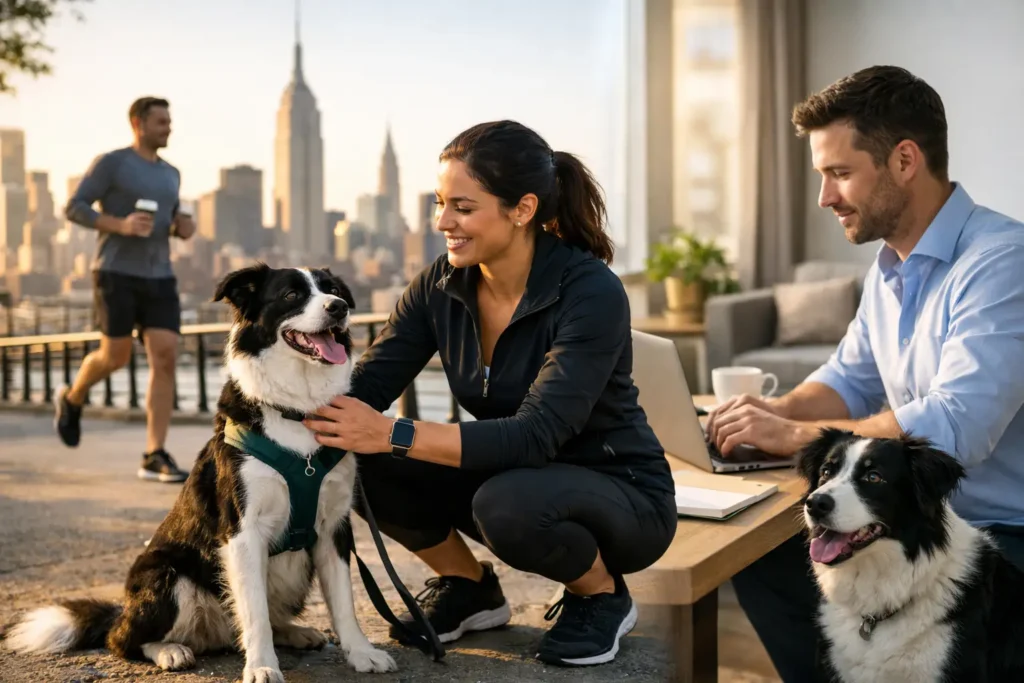
A rushed morning can set the tone for your dog’s whole day. When the coffee is brewing, emails are arriving, and you are trying to get out the door on time, your dog still needs a calm potty break, movement, and a little connection. The best routines for working dog owners are not about filling every minute. They create dependable rhythms that help dogs feel safe, exercised, and cared for while their people handle full Manhattan schedules.
For many city dogs, consistency matters as much as the length of a walk. A predictable morning, a reliable daytime visit, and a quiet evening reset can reduce boredom, curb unwanted behavior, and make time apart easier. The right routine will look different for a senior dog, a new puppy, or a high-energy young dog, but the goal stays the same: your dog should know what to expect and feel supported throughout the day.
Start With a Morning Routine Your Dog Can Count On
The morning walk is more than a quick bathroom trip before work. It is your dog’s first chance to stretch, sniff, take in the neighborhood, and settle their body before being home alone. Even on busy days, try to protect this time from becoming frantic.
Start with a few quiet minutes before you leave. Let your dog go outside, move at a comfortable pace, and have a chance to sniff rather than pulling them from corner to corner. Sniffing is mental work for dogs, especially in a dense city full of sounds, food smells, people, bicycles, and other dogs. A short, unhurried walk may be more satisfying than a longer walk spent rushing.
For dogs who pull, bark at distractions, or become overstimulated at intersections, build simple handling practice into the morning. Ask for a pause at the curb, reward a loose leash, and keep your expectations realistic. Morning sidewalk training does not need to be a formal session. Repeating the same calm cues in real situations gives your dog useful structure.
Feed breakfast after the walk for many dogs, particularly those who get excited by food or exercise. This can help create a natural rhythm: potty, walk, breakfast, rest. Puppies, dogs with medical needs, and dogs on specific feeding schedules may need a different plan, so follow your veterinarian’s guidance.
Plan a Daytime Walk Around Your Dog, Not Just Your Calendar
A midday or afternoon walk is often the anchor of a working dog’s day. It breaks up long stretches indoors, provides a bathroom break, and offers the exercise and personal attention that many dogs need to stay content at home.
The appropriate timing and duration depend on your dog. A young, active dog may benefit from a 60-minute walk with time for movement and enrichment. A senior dog, a shy dog, or a dog recovering from an injury may do better with a slower 30-minute walk focused on comfort and regular relief. The best schedule is not necessarily the longest one. It is the one that meets your dog’s physical and emotional needs consistently.
Individual attention is particularly valuable in Manhattan. Busy sidewalks demand close handling, and some dogs find pack walks stressful or distracting. A one-on-one walk allows the handler to match the route, pace, and training focus to the dog in front of them. For dogs from the same household, a small shared walk can work well when their temperaments and leash skills are compatible.
A dependable professional walker also provides reassurance while you are at work. Check-in and check-out alerts, a walk summary, photos or videos, and a note about appetite, bathroom habits, energy, or behavior make it easier to stay connected to your dog’s day. Those details are not extras for anxious pet parents. They are useful information that helps you notice patterns and respond early when something feels off.
Build Better Home-Alone Habits
Exercise helps, but a tired dog is not always a relaxed dog. Dogs also need to learn that being home alone is normal and safe. Your departure routine can make that easier.
Keep goodbyes low-key. A long, emotional farewell can accidentally signal that something unusual is happening. Instead, offer a calm cue, leave a safe enrichment activity if appropriate, and go. When you return, greet your dog warmly without turning every arrival into a burst of chaos.
Before leaving, make sure your dog has access to fresh water, a comfortable resting place, and a safe environment. Secure food, trash, medications, cords, and anything your dog may chew or swallow. In apartment living, it also helps to consider sound. A white-noise machine, soft music, or closing the blinds can reduce reactions to hallway noise, delivery activity, and street commotion for some dogs.
Food puzzles, stuffed toys, and safe chew options can add enrichment, but they are not right for every dog unsupervised. If your dog guards food, destroys toys, or has a history of swallowing nonfood items, choose caution over convenience. Discuss safe options with your veterinarian or a qualified trainer.
Give Puppies and Anxious Dogs More Support
Puppies generally cannot handle a full workday without more frequent bathroom breaks, supervision, and training. Their routine should include short outings, naps, calm exposure to city life, and consistent practice with being alone in manageable increments. Asking a puppy to cope with eight or nine uninterrupted hours indoors can lead to accidents, distress, and habits that are harder to change later.
Dogs with separation anxiety need an individualized plan as well. Extra exercise alone rarely solves true anxiety. These dogs may need help from a veterinarian, a trainer experienced in separation-related behavior, and a care schedule that prevents them from being pushed past what they can handle. Reliable daytime support is compassionate care, not a luxury.
Make Evenings Feel Like a Reset
After work, many owners feel pressure to compensate for a busy day with nonstop activity. Your dog does need connection, but an evening routine works best when it balances movement with rest.
Take an after-work walk that fits your dog’s energy level. For an athletic dog, this may be a purposeful walk with training games and time to explore. For a senior dog, a gentle stroll and extra sniffing may be plenty. If the sidewalks are crowded, choose quieter blocks or go at a less hectic hour when possible. A calmer route can be more enjoyable than forcing a high-energy dog through an overwhelming rush-hour scene.
Then make room for a few minutes of focused attention at home. Practice a cue, brush your dog, offer calm affection, or simply sit together while you put your phone away. Dogs notice when they have your attention. This small ritual can be especially meaningful after a long day apart.
Try to keep dinner, the final potty break, and bedtime within a familiar window. A consistent evening schedule supports better sleep for everyone. If your work hours change, adjust gradually when you can rather than shifting the entire routine overnight.
Use Weekends to Support the Week
Weekends should not be a complete reversal of your dog’s weekday life. Sleeping in occasionally is fine, but dramatically delaying walks and meals can make Monday harder. Keep the core schedule recognizable, then use your extra time for longer neighborhood walks, training practice, grooming, or a relaxed outing that suits your dog.
This is also a good time to observe what is working. Is your dog restless before the walker arrives? Are they calmer after a longer midday walk, or do they seem tired and overwhelmed? Do they pull more in the evening? Small observations can help you refine the schedule instead of guessing.
If leash challenges are making daily walks stressful, a focused workshop can help you understand the why behind pulling, distraction, and intersection behavior. At Pet Love NYC, individualized walking and leash-training support are built around the dog’s real neighborhood routine, not a one-size-fits-all approach.
The Routine That Works Is the One You Can Maintain
There will be late meetings, rainy mornings, travel days, and weeks when your schedule feels impossible. A good dog routine leaves room for real life. The key is having dependable support in place before a hard day arrives, along with clear instructions about your dog’s habits, needs, and comfort level.
Your dog does not need a perfect calendar. They need the reassuring pattern of a morning goodbye, a safe and caring walk, and your return at the end of the day. When those moments are handled with consistency, patience, and love, your dog can settle into city life with far more confidence.