


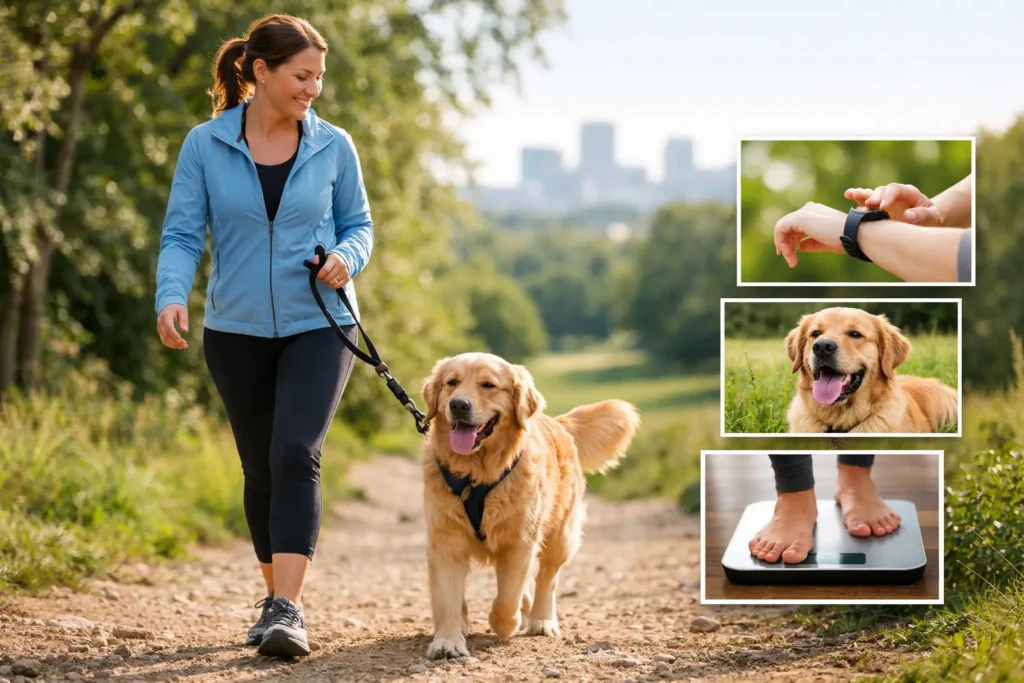
A quick potty break can get your dog through the day. A full hour can change how the whole day feels.
That is why 60 minute dog walk benefits stand out so clearly for busy Manhattan households. For many dogs, especially in a city full of noise, smells, traffic, elevators, and constant stimulation, 60 minutes is not just extra time outside. It is enough time to settle in, move their body, use their brain, and come home feeling satisfied instead of still wound up.
Why 60 minute dog walk benefits matter in the city
New York dogs do not walk in a quiet backyard. They step into a fast-moving environment with sirens, delivery carts, crowded sidewalks, food smells, other dogs, and intersections every few blocks. That kind of setting takes energy to process.
A shorter walk can be perfect in some situations. Senior dogs, very young puppies, or dogs on a tightly managed routine may do better with less time. But for many adult dogs, a longer walk gives them enough space to adjust to the environment instead of reacting to it from start to finish. The first part of the walk often goes to excitement and transition. The second half is where better rhythm, better focus, and better behavior often show up.
That difference matters if your dog pulls hard at the start, comes home restless, or still seems ready to pace the apartment after a midday outing. An hour creates more room for exercise, sniffing, training moments, and decompression.
1. A 60-minute walk provides more complete exercise
A lot of dogs can burn off the edge in 20 or 30 minutes. Fewer dogs feel truly fulfilled in that time.
An hour allows for a more natural pace. There is time to move briskly, pause, sniff, reset, and keep going. That mix is valuable because dogs do not benefit from speed alone. They benefit from a balance of physical movement and mental engagement.
For higher-energy breeds, younger adult dogs, and dogs living in apartments without a yard, this is often where the biggest improvement shows up. Instead of getting a brief release, they get a meaningful workout. That can lead to fewer zoomies at home, less demand barking, and a calmer afternoon while you are still at work.
2. Longer walks often improve behavior indoors
When owners say their dog is destructive, clingy, or unable to settle, the issue is not always lack of affection. Very often, it is unmet physical and mental need.
One of the clearest 60 minute dog walk benefits is what happens after the walk is over. Dogs who have had enough movement and stimulation tend to rest more deeply. They are often less likely to chew household items, patrol the windows, bark at hallway sounds, or bounce from room to room looking for something to do.
This is especially true for dogs with separation anxiety or dogs who struggle with long stretches alone. A richer midday walk does not solve anxiety by itself, but it can take the edge off. A dog who has had a structured, engaging outing often finds it easier to settle than a dog who got a rushed bathroom break and came back upstairs still carrying all that nervous energy.
3. An hour creates better opportunities for leash manners
In Manhattan, walking well on leash is not a bonus. It is a safety issue.
Shorter walks can be useful for practicing a specific skill, but they can also feel rushed. If a dog is pulling, zigzagging, staring down every pigeon, or freezing at the curb, 30 minutes can disappear fast. There is little time left to work through the moment calmly.
A 60-minute walk gives room for repetition without pressure. A walker can slow down at intersections, reinforce better position, redirect fixation, and reward calmer choices without feeling like every minute has to be spent covering distance. That matters for dogs learning how to handle city distractions.
Not every dog needs active leash training on every outing. Some simply need consistent handling and enough time to settle into the walk. But even then, longer one-on-one walks tend to support better habits because the dog is not being hurried through a packed route.
4. Dogs get more mental enrichment, not just more steps
A good walk is not a treadmill session. Dogs experience the world through scent, pattern, sound, and routine.
An hour gives them more chances to sniff, observe, process, and make choices. That kind of enrichment is deeply satisfying. It can tire out a dog in a healthier way than speed-walking block after block with no pause.
This is one reason some dogs come back more relaxed after a thoughtful 60-minute walk than after a shorter, more intense outing. Mental work counts. Sniffing counts. Navigating the environment with a calm handler counts too.
For city dogs, enrichment also supports confidence. The more positive, structured exposure they get to elevators, curbs, crosswalks, busy corners, and changing street activity, the more capable many dogs become over time.
5. Longer walks can help with weight management and overall health
If your dog needs to lose weight or maintain a healthy body condition, consistency matters more than occasional bursts of activity.
A 60-minute walk can support heart health, muscle tone, joint mobility, and healthy digestion when it matches your dog’s age and fitness level. For dogs who spend much of the day indoors, this can be one of the most reliable ways to build movement into their routine.
Of course, more time is not always better for every dog. A brachycephalic dog in summer heat, a senior with arthritis, or a puppy still developing physically may need a modified pace or a different structure. That is why individualized care matters so much. The goal is not to force every dog through the same hour. The goal is to use the time well for that specific dog.
6. A 60-minute walk can reduce the rushed feeling dogs pick up on
Dogs notice our pace. If a walk feels hurried from the moment the leash goes on, many dogs mirror that energy.
That is part of what makes longer walks so valuable for busy households. There is less pressure to get outside, hurry through the route, and race back in. When the person handling the dog can be calmer and more attentive, the dog often becomes calmer too.
This is one of the biggest differences between individualized walking and high-volume routines. Dogs are not all moving through the city the same way. Some need a brisk exercise session. Some need confidence-building and clean leash handling. Some need more affection and reassurance before they can relax enough to enjoy the walk at all.
A full hour creates space for that level of attention. For many owners, that peace of mind matters almost as much as the exercise itself.
7. Owners get a better picture of how their dog is doing
Longer walks tend to reveal more.
When someone spends a real hour with your dog, patterns become easier to spot. Maybe your dog is more tense around certain intersections, more distracted at certain times of day, or more successful when given a slower start. Maybe they are showing signs of improving leash manners, or maybe their energy level has changed in a way worth noting.
That kind of feedback is incredibly useful for owners. It turns the walk into more than a service on a schedule. It becomes part of your dog’s care plan.
For families who want communication, updates, and consistent handling, this matters. An attentive walker is not just helping your dog burn energy. They are helping you understand your dog better.
When a 60-minute walk is the best fit
Not every dog needs an hour every single day. Some do best with a mix of 30-minute and 60-minute walks depending on age, weather, health, and overall schedule. But a full hour is often especially helpful for adolescent dogs, active breeds, dogs adjusting to apartment life, dogs working on leash skills, and dogs who struggle to settle after shorter outings.
It can also be the right choice for owners with demanding workdays. If you are gone for long stretches, a more substantial midday walk can make home life easier for everyone. Your dog gets attention, movement, and structure when they need it most, and you come back to a dog who feels cared for instead of pent up.
In a place like Manhattan, quality matters as much as duration. The best 60-minute walks are not about packing in as many dogs as possible or rushing through a route. They are about safe handling, individualized pacing, and the kind of close attention that helps a dog feel secure in a very stimulating environment. That is why at Pet Love NYC, one-on-one care makes such a difference.
If your dog comes back from shorter outings still restless, still reactive, or still looking for more, it may not be a behavior problem at all. It may simply be a sign that they need enough time outside to actually feel finished with the walk.