


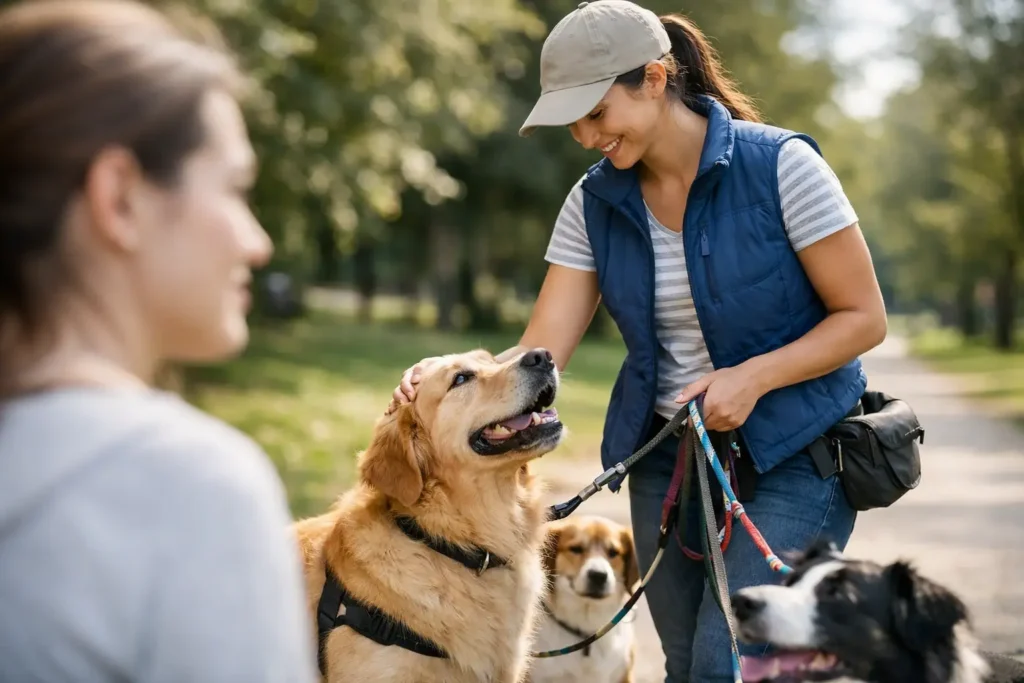
The hardest part of leaving a dog with separation anxiety is often the moment right before the door closes. You can see the pacing start, hear the whining build, and feel that knot in your stomach as you head to work. For many Manhattan pet parents, hiring a dog walker for separation anxiety is not just about bathroom breaks or exercise. It is about creating a calmer, safer middle of the day so your dog does not spend hours alone in a rising state of stress.
That distinction matters. A dog who struggles with separation is not being stubborn or dramatic. They are having a real emotional response to being left alone, and the right support can make a meaningful difference. But not every walking service is a good fit for that job.
What a dog walker for separation anxiety actually does
A good walker can help interrupt long stretches of isolation, provide structure, and reduce the intensity of the day. That may sound simple, but for an anxious dog, predictable care can be a huge relief. A calm arrival, a familiar routine, and one-on-one attention can lower stress in ways that a rushed group outing often cannot.
That said, a walker is not a cure for separation anxiety on their own. If your dog panics the second you reach for your keys, destroys doors, or injures themselves trying to escape, you may also need a trainer or veterinary behavior professional. Walking support works best as part of a bigger plan, especially in more serious cases.
Still, the right midday visit can help with the pieces many owners feel most urgently. It can shorten the amount of time your dog is alone, give them a positive outlet, and build a more stable routine around departures. For busy professionals in the city, that can be the difference between a dog who spirals all afternoon and one who has a dependable break in the day.
Why one-on-one care matters for separation anxiety
Dogs with separation anxiety tend to be sensitive to change, overstimulation, and inconsistency. In Manhattan, even a normal walk can come with elevators, noise, traffic, construction, crowded sidewalks, and endless distractions. Some dogs handle that well. Others are already emotionally overloaded before they even hit the street.
This is where one-on-one walks matter. A single-dog walk gives the handler room to move at the dog’s pace, watch body language closely, and adjust in real time. If a dog seems tense at the lobby door, the walker can slow down. If intersections are triggering, they can use calmer routes. If the dog needs reassurance before settling into the walk, they can offer it.
Pack walks or high-volume schedules can be efficient, but efficiency is not always what an anxious dog needs. When a dog is worried, personalized handling usually beats speed. A familiar person showing up at a familiar time, using the same calm routine, can become part of what helps the day feel manageable.
The wrong type of walk can backfire
More exercise is not always the answer. Some anxious dogs do benefit from a brisk 60-minute walk, especially if pent-up energy is part of the picture. But others need a quieter, more measured outing rather than a high-intensity march through a stimulating neighborhood.
It depends on the dog. A walker who understands behavior will notice whether the dog is relaxing into the walk or getting more frantic. That kind of observation matters as much as distance covered.
Signs your dog may need this kind of support
Some separation anxiety is obvious, and some is easy to miss. Destructive behavior, nonstop barking, scratching at doors, and indoor accidents after being left alone are common red flags. So are pacing, drooling, refusal to eat when alone, or a dog who becomes clingy the second they sense you are about to leave.
In apartments, neighbors may hear the problem before owners fully see it. Cameras can also reveal what happens after you go. Many dogs look fine at departure, then unravel ten minutes later.
If your dog struggles most during the workday, a midday walk may be especially helpful. It breaks up the longest stretch alone and gives your dog a point in the day they can rely on. Even if it does not eliminate anxiety completely, it can lower the overall load.
What to look for in a dog walker for separation anxiety
Experience matters, but temperament matters too. You want someone patient, observant, and steady under pressure. An anxious dog does not need a big personality. They need someone who can enter calmly, avoid adding excitement, and handle setbacks without frustration.
Consistency is another major factor. Dogs with separation issues often do better when the same person shows up regularly. Familiarity builds trust, and trust lowers stress. If your dog is constantly rotating through different walkers, every visit can feel like a new adjustment.
Communication should also be non-negotiable. Owners need to know how the dog looked at arrival, how quickly they settled, whether they ate treats, how they handled the hallway or elevator, and what their energy seemed like during the walk. Those details help you see patterns and make smarter decisions about your dog’s care.
For city owners, practical safety standards matter just as much as warmth. Insurance coverage, reliable key handling, check-in and check-out alerts, and clear walk summaries all support peace of mind. When you are trusting someone with your dog and your home, professionalism is part of compassionate care.
How walks fit into a broader anxiety plan
The best separation support is usually layered. A walker can reduce alone time and add structure, but the dog may also need departure desensitization, home routine changes, enrichment, or behavior work. Sometimes small shifts help more than owners expect.
For example, some dogs do better with an earlier walk before the longest alone stretch. Others benefit from a second short visit later in the day. Some need quiet sniff-heavy outings that lower arousal, while others feel better after a more active session. There is no universal formula, which is why individualized care matters so much.
A strong walker will notice patterns and share them. Maybe your dog is calmer when departures are less emotional. Maybe they struggle more on noisy trash days. Maybe a 30-minute visit is enough, or maybe 60 minutes gives them time to truly decompress. The goal is not to force one schedule onto every dog. It is to build a rhythm that helps your dog cope better.
Why updates help owners too
Separation anxiety affects people as much as dogs. Many owners spend half the day worrying, checking cameras, or bracing for complaints from neighbors. Real-time updates can ease some of that stress.
A simple check-in saying your dog settled, walked well, and got lots of love and attention goes a long way. Photos and videos help too, not just because they are sweet, but because they show you what your dog actually looks like in the middle of the day. That transparency builds trust and makes it easier to stick with a care plan.
What Manhattan dogs need that suburban dogs may not
In the city, anxiety and leash behavior often overlap. A dog who is already stressed about being alone may also pull harder, fixate on other dogs, freeze at intersections, or get rattled by noise. That is why it helps when a walker understands not only emotional care, but urban handling.
Calm leash guidance, thoughtful route choices, and attention to triggers can make each outing more productive. A dog does not need a chaotic walk to be tired. In many cases, a structured walk with safe, steady handling does more good than a long, overstimulating adventure.
This is one reason some Manhattan owners look for a service that combines walking with leash training awareness. When the person handling your dog understands distraction management and city-specific safety, the walk becomes more than a basic errand. It becomes a meaningful part of your dog’s support system.
At Pet Love NYC, this is exactly how we think about care. A walk is not just a time slot. For anxious dogs, it is an opportunity to provide consistency, emotional reassurance, and skilled handling in an environment that can be overwhelming.
When to start
If your dog is showing early signs of distress, start before the pattern gets deeper. Mild anxiety can become more intense when dogs rehearse it day after day. Bringing in dependable support early may help prevent the workday from becoming something your dog dreads.
And if your dog’s anxiety is already more serious, support still matters. It just needs to be the right kind of support, with realistic expectations and a plan built around your dog’s actual behavior, not a generic promise that they will be tired enough to relax.
A good walker cannot make your dog stop missing you. What they can do is make the hours apart feel less lonely, less chaotic, and more manageable. For a dog who struggles when the door closes, that kind of steady care can change the shape of the whole day.