
Is One Walker Better for Dogs? NYC Answers
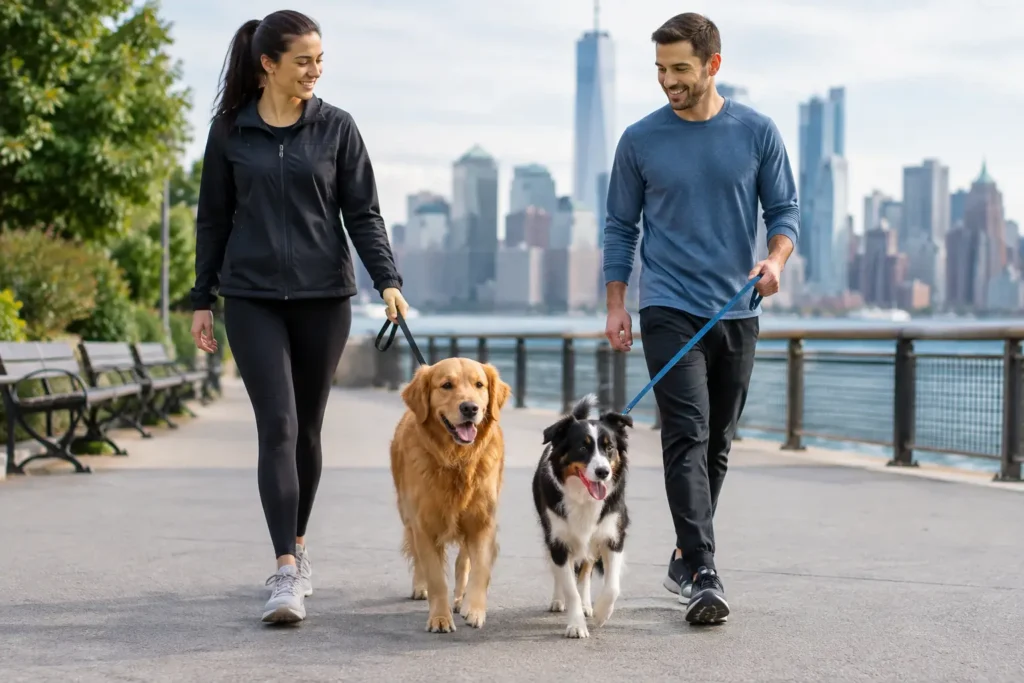
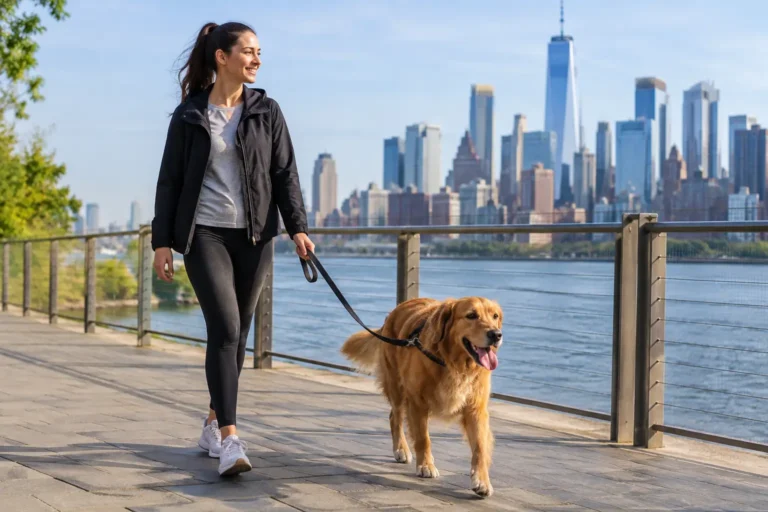
A dog who hesitates at a busy Manhattan intersection, pulls toward every pigeon, or waits by the door at noon is telling you something: walks are not just bathroom breaks. They are a major part of your dog’s daily routine, safety, and emotional well-being. So, is one walker better for dogs? Often, yes – especially for dogs who thrive on familiarity, need leash support, or find New York City stimulating. But the best arrangement still depends on your dog, your schedule, and how thoughtfully the service is managed.
Is One Walker Better for Dogs? Consistency Has Real Value
Most dogs feel more settled when they know what to expect. A familiar walker learns the small details that can make a big difference: which elevator noises cause worry, how your dog behaves near buses, whether they need a slow start, and which treats help them refocus after a distraction.
That knowledge does not come from a single handoff note. It develops over repeated walks, careful observation, and clear communication. When the same person sees your dog regularly, they can notice meaningful changes sooner. Maybe your usually enthusiastic dog is lagging behind, avoiding stairs, drinking more water, or reacting differently to another dog. Those observations help owners make informed decisions before a small issue is missed.
Consistency also helps a dog build trust. For puppies, newly adopted dogs, anxious dogs, and dogs with separation anxiety, a familiar walker can become a reassuring part of the day. The routine is simple: a trusted person arrives, the leash goes on, the walk follows a predictable structure, and the dog comes home safely. That reliability can make departures from home feel less stressful.
One-on-One Attention Is Different From a Pack Walk
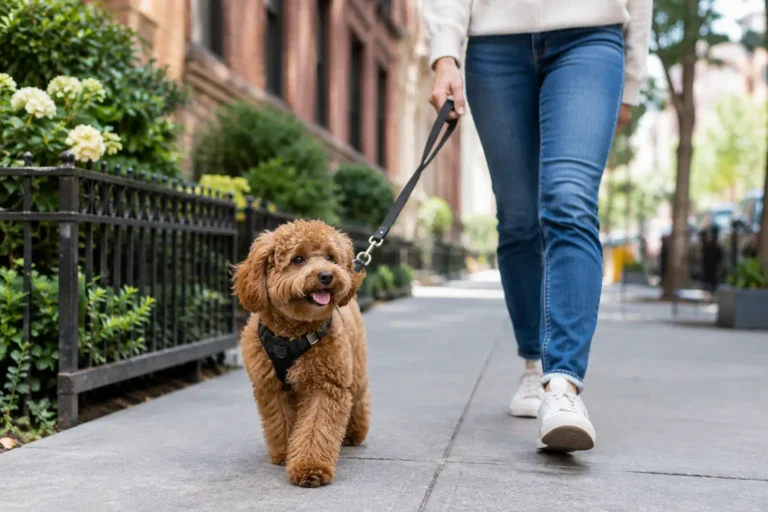
A one-on-one walk gives the walker room to focus on one dog’s pace, body language, and needs. That matters in Manhattan, where sidewalks can change in seconds. There are delivery carts, construction barriers, scooters, crowded corners, off-leash surprises, food scraps, and plenty of other dogs.
With individual attention, a walker can pause when your dog needs a moment to sniff, cross the street before a situation becomes too crowded, or create distance from a dog that is making yours uncomfortable. A high-energy dog may benefit from a brisk 60-minute walk with structured exercise. A senior dog may do better with a gentler pace, more frequent pauses, and a route that avoids slippery or busy areas. Neither approach is better in every case. The point is that the walk can fit the dog instead of asking the dog to fit a group.
This is also useful for leash manners. Pulling, jumping, fixating on squirrels, and rushing intersections are difficult to address when one person is responsible for several unrelated dogs. A dedicated walker has the attention to reinforce the same cues, reward calm choices, and use consistent handling. Over time, those repetitions can support better behavior on the leash.
When More Than One Walker Can Still Work Well
Having one regular walker does not mean your dog should never see anyone else. Life happens. A walker gets sick, takes a vacation, or has an emergency. A professional dog walking company should have a reliable backup plan, rather than leaving you scrambling for care.
For some dogs, a small circle of familiar, trained walkers is a practical and healthy option. The key is continuity. Backup walkers should receive clear notes on your dog’s routine, triggers, preferred routes, feeding instructions, building procedures, and any training cues you use. They should also have the judgment to recognize when a walk needs to be shortened, slowed down, or redirected.
A dog with an easygoing personality may adapt quickly to a few consistent caregivers. Dogs who are highly sensitive, reactive, fearful, or still learning urban leash skills often benefit from keeping their primary walker as stable as possible. In either case, introductions should be gradual and positive. Your dog should meet a backup walker before the first solo walk whenever possible.
The Best Match Depends on Your Dog’s Needs
It helps to think beyond the question of whether one walker is best. Ask what your dog needs from a walk right now.
A young puppy needs safe exposure to the city, potty breaks on a reliable schedule, and gentle guidance around people, traffic, and other dogs. A familiar walker can help make those early experiences calmer and more predictable. An adolescent dog with endless energy may need a longer walk that includes purposeful movement and practice settling at corners. A dog who pulls hard may need consistent leash-training techniques rather than a different approach every day.
For a senior dog, familiarity can be especially comforting. The walker learns how quickly your dog moves, whether certain curbs or stairs have become challenging, and when weather conditions call for a shorter outing. Dogs recovering from an injury or managing medical needs also benefit when the person handling them understands their limits.
Then there are social dogs who genuinely enjoy walking with a canine sibling from the same household. Same-household group walks can be a lovely fit because the dogs already know each other, and the walker can maintain a shared routine without introducing the unpredictability of a large mixed pack. Even then, each dog should receive individual attention during the outing.
What to Look for in a Consistent Dog Walker
The person walking your dog has access to your home, responsibility for your dog’s safety, and a direct view of how your dog is doing during the day. Familiarity matters, but professionalism matters just as much.
Look for a service that communicates clearly before, during, and after each walk. Check-in and check-out alerts provide reassurance that the visit happened as scheduled. Walk summaries, photos, videos, and direct updates give you more than a cute snapshot – they show how your dog moved, behaved, and responded that day.
Ask how the company handles weather, building access, emergencies, and backup coverage. Confirm that walkers are insured and that they understand the basics of urban safety: secure leash handling, intersection awareness, avoiding risky greetings, and monitoring for signs of stress or discomfort. If your dog needs help with pulling or distractions, ask whether the walker uses consistent, humane training methods and can communicate the plan to you.
A good walker should be willing to learn your dog rather than make assumptions. Your dog may love strangers but dislike skateboards. They may need a few minutes of sniffing before they can walk politely. They may be calm around people but uneasy with large dogs. Those details deserve attention, not a one-size-fits-all routine.
A Familiar Face, With a Plan Behind It
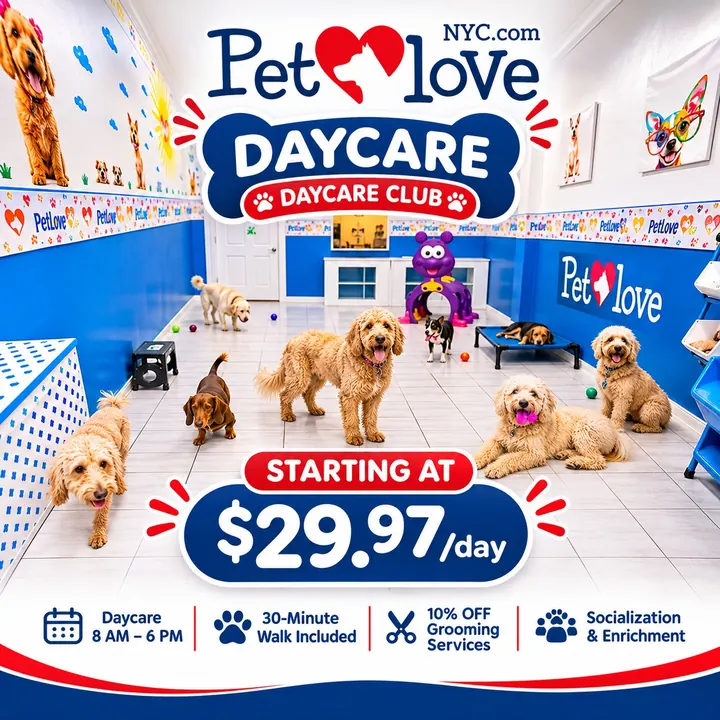
At Pet Love NYC, individualized walks are built around the idea that dogs deserve both affection and thoughtful structure. A regular walker can create the consistency many dogs need, while clear updates and trained backup support help owners feel confident when schedules change.
The goal is not to make your dog dependent on one person or to treat every dog as though they need the same setup. It is to give them safe, attentive care from people who know their habits, respect their pace, and handle city walks with care. When your dog sees the leash come out and feels happy rather than uncertain, that is a very good place to start.