


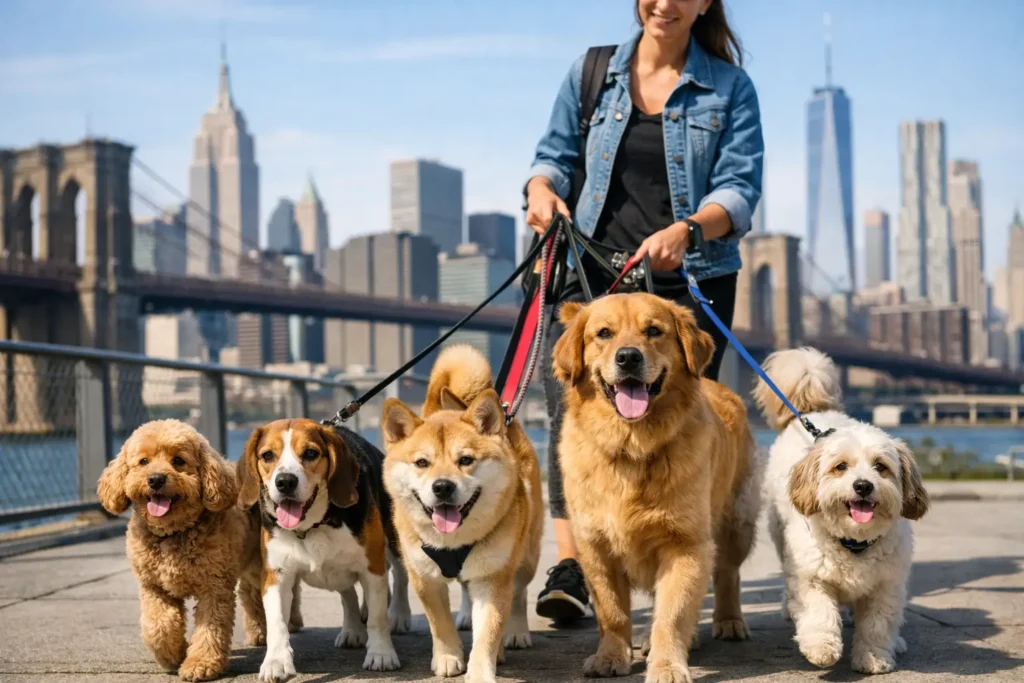
Your dog can tell the difference between a quick potty break and a walk that actually meets their needs. In Manhattan, that difference matters even more. If you are wondering how to choose dog walker support you can truly trust, the right decision comes down to more than availability and price. You are choosing who enters your home, handles your dog in traffic, reads their body language, and represents their daily routine when you cannot be there.
A great dog walker should make your life easier, but just as importantly, your dog should feel safer, calmer, and better cared for because of them. For city dogs, a walk is exercise, structure, stimulation, and often behavior practice all at once. That is why the best match is rarely the cheapest or the one with the biggest roster. It is the one that understands your dog as an individual.
How to choose dog walker care that fits your dog
Start by thinking about your dog before you think about the company. A shy rescue, an energetic young doodle, a puppy learning leash manners, and a senior dog with a slower pace do not need the same thing. The right walker will ask detailed questions about personality, routine, triggers, energy level, and handling preferences instead of offering a one-size-fits-all plan.
That matters in New York. Some dogs need quiet side streets and slower introductions to the outside world. Others need a structured 60-minute outing to take the edge off before you get home from work. Some do best with one-on-one attention because they get overstimulated around other dogs. If a walker does not seem curious about these details, that is a red flag.
You should also pay attention to whether a service offers the kind of walk your dog actually needs. A 30-minute walk can be perfect for a midday bathroom break and reset. A 60-minute walk may be a better fit for high-energy dogs who need more exercise and decompression. In multi-dog households, same-household group walks can work beautifully because the dogs already know each other. What matters is intention. The schedule and format should serve your dog, not just the provider’s route density.
Safety should come before convenience
Every dog owner wants convenience, especially during a packed workweek, but safety has to be the first filter. When you are evaluating a walker, ask how they handle city-specific risks. Manhattan walks are not just about getting outside. They involve traffic, bikes, construction noise, crowded sidewalks, food on the ground, off-leash distractions, elevator exits, lobby encounters, and unpredictable intersections.
A professional walker should be able to explain how they manage leash safety, door safety, street crossings, and sudden reactivity. You want clear answers, not vague reassurance. Ask what equipment they use, whether they check collars and harnesses before every walk, and how they respond if a dog becomes frightened or overstimulated.
Insurance is another non-negotiable. It shows that the business takes its responsibility seriously. Reliability matters too, but reliability without safety standards is not enough. The person caring for your dog should have systems in place, not just good intentions.
Communication is part of the service
One of the clearest signs of a strong dog walking service is how well they communicate before, during, and after the walk. You should not have to wonder whether your dog was picked up, whether the walk happened on time, or whether anything unusual occurred. Real-time updates are not a luxury for many city owners. They are peace of mind.
Look for a service that offers check-in and check-out alerts, walk summaries, and photo or video updates. Those details tell you more than whether the walk happened. They show how closely the walker is paying attention. A useful update might mention bathroom habits, energy level, behavior around distractions, appetite changes, or a new sensitivity the walker noticed outdoors.
This kind of communication becomes even more valuable if your dog is working through something specific, like leash pulling, separation anxiety, fear around trucks, or overstimulation at intersections. Consistent updates help everyone stay on the same page, and they make it easier to build progress over time.
Ask whether the walker is observing or truly handling
There is a big difference between someone who simply escorts dogs around the block and someone who actively handles them with skill. This is especially important if your dog pulls, startles easily, lunges toward distractions, or struggles to focus outside.
If your dog has any behavior or leash issues, ask the walker how they approach them. You are not necessarily looking for formal training in every case, but you do want someone who understands timing, consistency, and calm handling. In a dense city environment, poor leash habits are not just frustrating. They can become unsafe quickly.
A thoughtful walker will be able to explain how they redirect pulling, create more focus, reward calmer behavior, and set a pace that helps the dog succeed. They should also know their limits. Some situations call for walks with added structure, while others benefit from dedicated leash training support. The best professionals are honest about that distinction.
For many urban owners, this is where individualized care makes such a difference. One-on-one attention allows the walker to respond to the dog in front of them instead of managing a group dynamic. That can mean better exercise, better emotional regulation, and safer outings overall.
The meet and greet should tell you a lot
A consultation is not just a formality. It is your chance to see how the walker relates to your dog and how seriously they take your concerns. Pay attention to the questions they ask. Do they want to know about feeding schedules, gear, medical notes, reactivity, favorite routes, and home access instructions? Do they listen carefully, or are they rushing toward the booking?
Watch your dog too. Not every dog warms up instantly, and that is okay. What you want to see is respectful handling and good observation. A trustworthy walker will not force interaction. They will give your dog space, read their signals, and let comfort build naturally.
This first meeting should also clarify logistics. Talk through scheduling, cancellations, arrival windows, building access, emergency contacts, and what happens if your regular walker is unavailable. Professionalism feels caring when it is done well. Structure is part of trust.
Price matters, but value matters more
It is normal to compare rates, especially in New York, where pet care costs can vary widely. But dog walking is one of those services where the lowest price can end up costing more in stress, inconsistency, or poor handling. If one option is significantly cheaper than the rest, ask why.
Sometimes higher pricing reflects better staffing, insurance coverage, smaller caseloads, more detailed communication, and more individualized attention. Those things have real value. If your dog comes home settled, exercised, and emotionally cared for, that is not the same service as a rushed group outing with minimal updates.
The right question is not just what does this cost. It is what is included, how safely is it delivered, and how well does it fit my dog. For many owners, a consistent walker who knows their dog deeply is worth far more than a bargain service that changes handlers every week.
How to choose dog walker support for long-term trust
The best dog walking relationship gets stronger over time. Your walker learns your dog’s patterns, notices subtle changes, and becomes a steady part of their routine. That consistency can be especially helpful for puppies, anxious dogs, and dogs who thrive on structure.
As you make your choice, look beyond the first week. Ask yourself whether this person or team feels like a real partner in your dog’s care. Do they combine warmth with accountability? Do they treat updates, timing, and safety as core parts of the job? Do they seem genuinely invested in your dog’s well-being, not just the calendar slot?
At Pet Love NYC, we believe dogs do best when they are handled with both affection and intention. That means safe walks, clear communication, individualized attention, and the kind of consistency that helps dogs feel secure in a busy city.
Your dog does not need the flashiest service. They need someone dependable, attentive, and calm enough to meet them where they are. When you find that person, the walk becomes more than a task on your to-do list. It becomes one of the best parts of your dog’s day.