


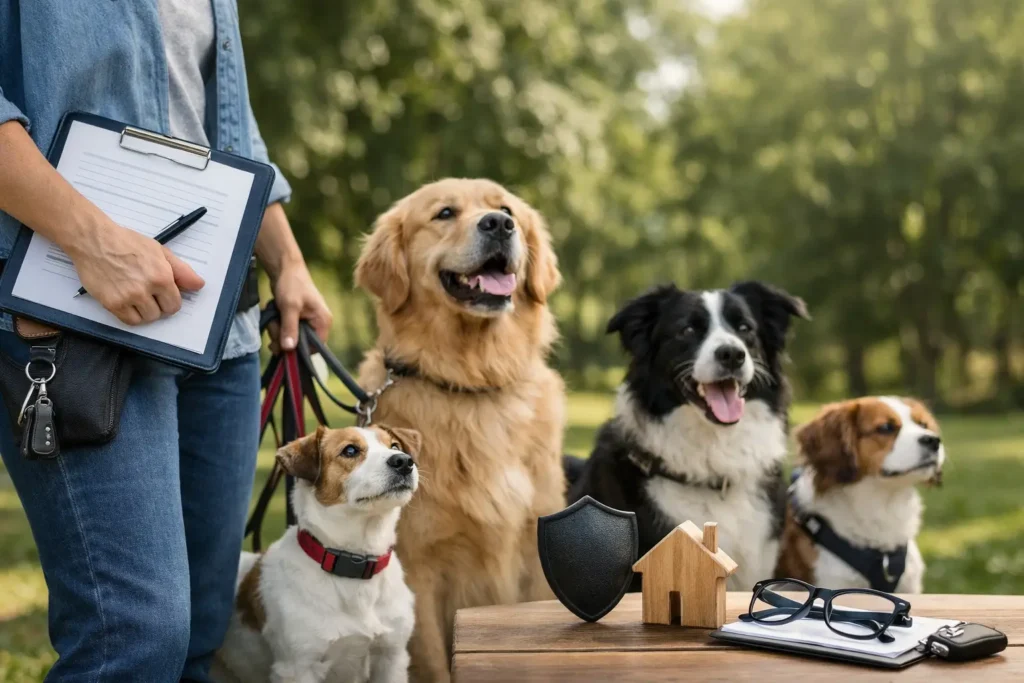
The moment you hand over your keys and leash, trust becomes the whole service. For Manhattan dog owners, dog walker insurance benefits are not a small detail tucked into a website footer. They are part of how you decide whether someone should be in your home, managing your dog on crowded sidewalks, and making judgment calls in real time.
In a city like New York, walks are rarely simple. There are elevator delays, delivery bikes, off-leash surprises in the park, construction noise, slick sidewalks, and distracted pedestrians at every corner. Even with an experienced, attentive walker, unexpected things can happen. Insurance helps protect everyone involved when they do, and that changes the level of confidence a pet parent can have from day one.
Why dog walker insurance benefits matter in NYC
A dog walk in Manhattan is not the same as a quick stroll through a quiet suburb. Urban walking asks more from both the dog and the person holding the leash. There is more traffic, more noise, more stimulation, and less room for error.
That is why insurance matters beyond simple business formality. It shows that a dog walker takes the job seriously enough to prepare for risk, not just affectionately enough to enjoy dogs. Both matter. You want someone who genuinely loves your dog, but you also want someone who understands that professional care includes planning for the unexpected.
For many owners, this becomes especially important if their dog is still learning leash manners, tends to react to other dogs, gets nervous around city noise, or needs one-on-one handling instead of a rushed pack walk. The more individualized the care, the more valuable it is to know the business has thought carefully about protection, responsibility, and safety.
What insurance actually protects
When people hear about insured dog walking services, they sometimes assume it only protects the company. In practice, the benefits reach much further.
Liability protection if something goes wrong
If a dog causes damage to property, injures another pet, or is involved in an incident during a walk, liability coverage may help address the financial fallout. That does not erase the stress of the situation, but it can prevent one bad moment from turning into a much larger personal and legal problem.
For pet parents, this matters because accidents are not always about negligence. A loud truck backfires. A harness slips. A child runs up too quickly. Dogs are living, emotional animals in a busy environment, and even well-managed walks can involve variables no one fully controls.
Coverage connected to your home and access
Dog walkers often enter homes when owners are at work, traveling, or tied up in meetings. That level of access requires trust on its own. Insurance adds another layer of reassurance because it reflects a professional operation, not casual side work with little accountability.
Depending on the policy, coverage may apply in situations involving property damage or other incidents related to home access and care. The exact details vary by provider, which is why owners should always ask questions instead of assuming all policies are identical. Still, the bigger point stands – insured services usually signal stronger standards around responsibility.
Support during pet-related emergencies
If a dog is injured while in a walker’s care, insurance may help with certain costs or liabilities depending on the policy. Just as important, insured businesses are often more likely to have clear protocols in place for emergencies, incident documentation, and owner communication.
That structure matters in a city where decisions sometimes have to happen fast. If a paw is cut on broken glass or a dog shows signs of heat stress on a summer walk, you want a calm, prepared response, followed by immediate updates.
The real benefit is peace of mind
The strongest dog walker insurance benefits are not always the ones you see on paper. They are the ones you feel during the workday when you are not checking your phone every ten minutes wondering whether your dog is okay.
Insurance supports peace of mind because it usually comes with a broader professional mindset. Businesses that carry coverage tend to think more carefully about training, handling, documentation, and communication. They understand that caring for a dog is emotional work, but it is also operational work.
That blend is what most busy pet owners are really looking for. Not sterile service. Not vague promises. They want warmth and competence in the same package.
If your dog walker sends check-in alerts, walk summaries, photos, and direct follow-up, insurance becomes part of that same trust system. It is another sign that the service is designed to keep you informed, reduce uncertainty, and handle responsibilities with care.
Insurance is not a substitute for quality care
This is where nuance matters. Insurance is important, but it should never be the only reason you hire someone.
A walker can be insured and still be the wrong fit for your dog. Maybe they move too quickly, walk too many dogs at once, or do not understand how to manage leash pulling at intersections. Maybe your puppy needs patient structure, or your anxious rescue needs consistency and one-on-one attention. Insurance does not replace skill, judgment, communication, or emotional sensitivity.
The best approach is to treat insurance as one part of a larger trust checklist. You are looking for a service that combines coverage with thoughtful handling, clear policies, strong communication, and genuine affection for dogs.
That is often where premium, individualized care stands apart from volume-based walking services. When a dog is one of many in a crowded rotation, risk can rise simply because attention is divided. When the walk is personalized, with a handler focused on one dog or one household, there is often more room for observation, better leash management, and quicker response to stress signals.
Questions smart pet parents should ask
If a dog walking company says it is insured, it is completely reasonable to ask what that means. Good providers will not be offended. They will usually appreciate that you care about safety.
Ask what kind of insurance they carry and whether it includes liability related to dog walking and home access. Ask how incidents are handled and how quickly owners are notified. Ask whether the company has procedures for veterinary emergencies, weather issues, and leash or equipment concerns.
You can also ask practical questions that reveal how insurance fits into daily service. Does the walker use secure harness checks before leaving the apartment? Are walk notes documented? Is there a check-in and check-out system? Are dogs walked individually or in groups? These details tell you whether the company simply has a policy or actually operates like a professional care team.
Why this matters for dogs with special needs
Insurance becomes even more relevant when a dog needs more than a basic bathroom break.
Puppies are unpredictable. Adolescent dogs can be strong and impulsive. Dogs with leash reactivity may need distance, timing, and calm redirection. Senior dogs may require slower pacing and more physical awareness. In each case, the walk is not just a routine task. It is active care.
That is why many Manhattan owners prefer a service built around individualized attention rather than impersonal group handling. When a dog needs behavioral support, emotional reassurance, or urban leash guidance, the quality of the human handling matters every minute of the walk.
Insurance supports that relationship by adding a professional safety net behind the care. It does not make the walk loving, but it helps make the service accountable.
A good insured walker helps you feel supported too
There is also a human side to this that many people do not talk about enough. Hiring a dog walker can bring a little guilt for busy owners, especially in a demanding city schedule. You want to be there for every walk, every midday break, every training moment, but work and life do not always allow it.
A well-run, insured service helps relieve some of that emotional weight. It tells you that asking for support is not cutting corners. It is making a responsible choice for your dog.
For example, at Pet Love NYC, insurance is part of a larger promise of safe, attentive, one-on-one care. That matters because the best dog walking service is never just about getting outside. It is about making sure your dog feels secure, understood, and genuinely cared for while you are away.
When you are comparing walkers, think beyond price and scheduling. Look at the full picture of how they protect your dog, your home, and your peace of mind. The right walker should make you feel more at ease, not more nervous, and that starts with the quiet confidence of knowing they are prepared for real life in the city.