
Why Midday Dog Walks Matter in Manhattan
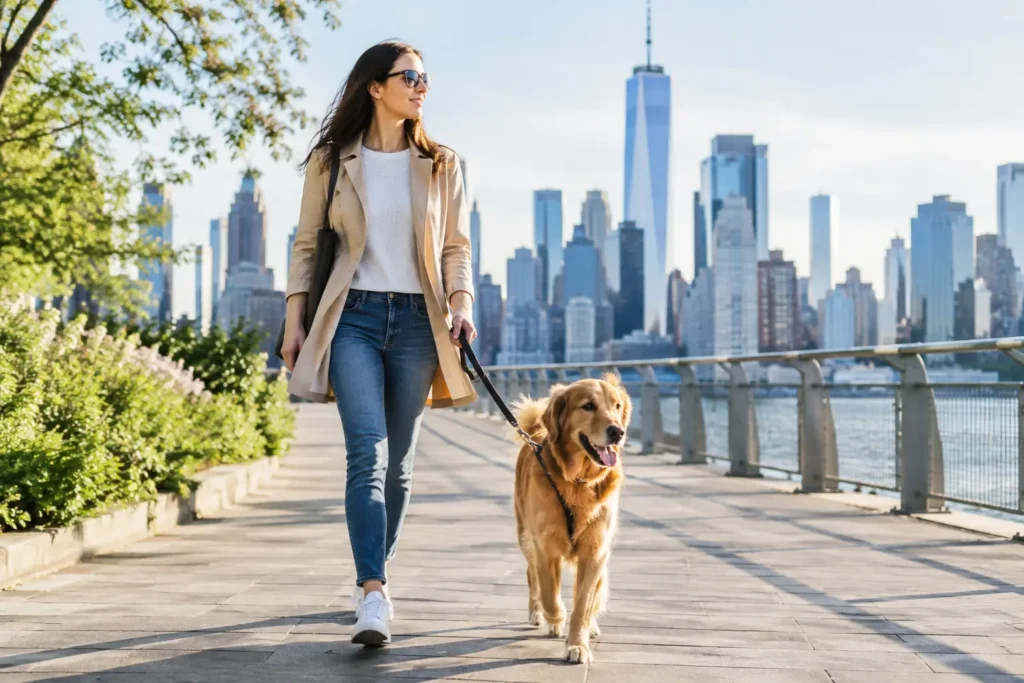
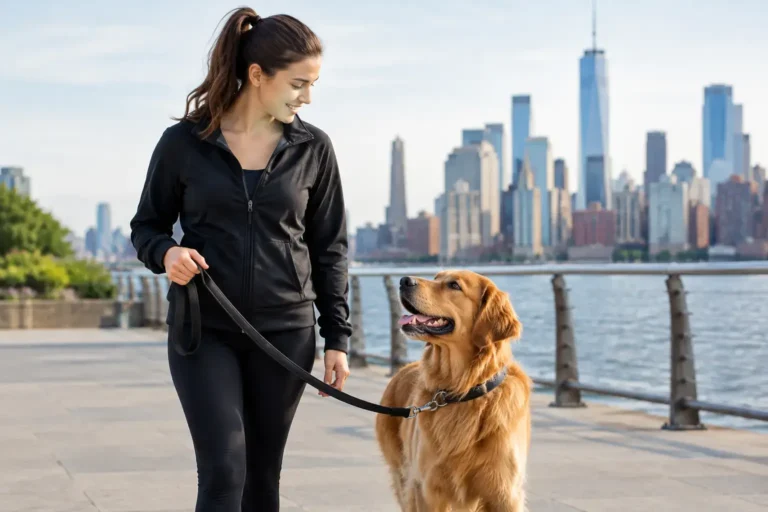
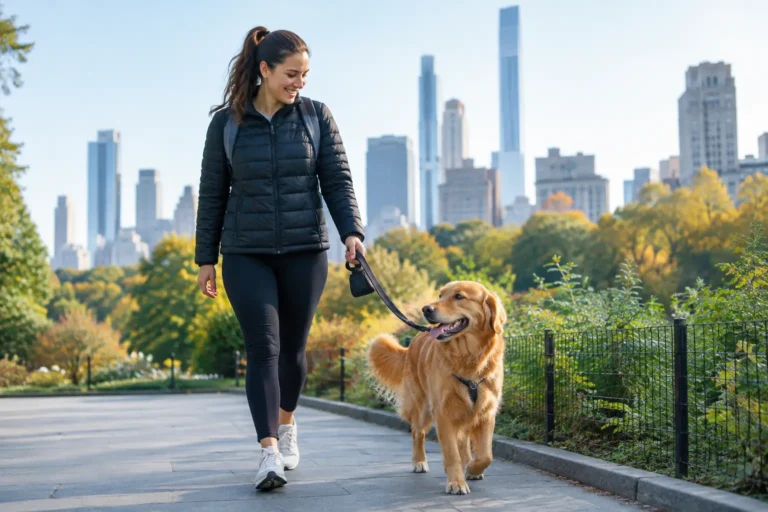
The middle of a Manhattan workday can feel long for a dog waiting at home. Midday dog walks give them more than a bathroom break: they offer a reset from boredom, pent-up energy, apartment noise, and the uncertainty of being alone. For busy pet parents, that one-on-one time can make the difference between returning to a stressed, restless dog and coming home to a calmer companion ready to settle in.
Why midday dog walks are more than a quick outing
Dogs do not experience the workday the way we do. A few hours without a chance to stretch, sniff, relieve themselves, or see a familiar face can feel especially long for puppies, senior dogs, high-energy breeds, and dogs still adjusting to city life. Even a dog who appears relaxed in the morning may be carrying extra energy by noon.
A thoughtfully handled walk breaks up that stretch of solitude. Movement supports physical health, while sniffing, observing, and moving through the neighborhood give a dog needed mental enrichment. In a busy city, the walk also provides a chance to practice calm behavior around strollers, delivery carts, other dogs, traffic sounds, and crowded corners.
The goal is not to tire every dog out completely. Some dogs need a brisk, purposeful 30-minute walk. Others benefit from a fuller 60 minutes with time for a slower pace, sniff breaks, and more focused leash work. The right choice depends on your dog’s age, health, personality, routine, and comfort level outside.
A better day at home starts outside
Many common at-home frustrations have a daytime component. A dog who barks at every hallway sound, paces before dinner, raids the trash, or greets you with overwhelming excitement may simply need more appropriate outlets during the day. A midday visit cannot solve every behavior concern, but consistent exercise and attention can reduce the pressure that builds when a dog is left alone for hours.
For puppies, a daytime walk supports house-training consistency and introduces the world in manageable pieces. They need frequent opportunities to go outside, but they also need guidance. A puppy who is allowed to pull toward every person or charge through every intersection is practicing habits that become harder to change later.
For adult dogs, the midday outing is often a reliable rhythm. Dogs tend to thrive when they can predict when they will eat, rest, play, and go outside. That reliability is particularly valuable for dogs with separation anxiety or sensitivity to changes in household schedules.
Senior dogs deserve an individualized approach, too. They may need more frequent bathroom breaks, a gentler route, extra time at curbs, or a slower return home on hot or rainy days. A quality walk is not measured only by distance. It is measured by whether your dog felt safe, comfortable, and cared for from door to door.
Manhattan walks require focused handling
New York City offers plenty of stimulation, but it also asks a lot of dogs. There are honking cars, packed sidewalks, food dropped near curbs, construction noise, unleashed distractions in unexpected places, and busy intersections where a few seconds of inattention matter.
That is why individualized handling matters. In a large pack walk, one dog’s needs can quickly become secondary to keeping the group moving. A dog who is nervous around other dogs may not get enough space. A strong puller may reinforce poor leash habits. A slow-moving senior may be rushed. A puppy may become overstimulated before the walk has truly begun.
One-on-one walks allow the pace and route to match the dog in front of the leash. A confident, athletic dog may enjoy a structured route with more distance. A shy dog may do better with a quieter block and patient encouragement. A dog working on leash manners may need frequent check-ins, simple direction changes, and calm reinforcement at intersections.
The best walker is not just holding a leash. They are reading body language, noticing changes in behavior, managing space, and making good decisions when the sidewalk gets unpredictable.
Leash manners happen in real-life moments
Training is most useful when it fits into daily life. A dog does not need a formal lesson every time they go out, but regular walks create natural opportunities to practice important skills. Waiting before leaving the building, walking without pulling, checking in with the handler, and pausing at a curb are all practical habits that support safer city outings.
Consistency is the key. If one person lets a dog surge ahead while another asks for a loose leash, the dog receives mixed messages. A professional walker who follows a clear handling plan can help reinforce the routines you are building at home.
At Pet Love NYC, individualized dog walks can also complement leash training goals by giving dogs structured, patient practice in the real Manhattan environments where those skills matter most.
What dependable midday care should include
When someone is entering your home and taking your dog through the city, trust is not a bonus. It is the foundation of the service. You should know who is caring for your dog, how the walk went, and whether anything changed during the visit.
Clear communication helps owners feel connected without interrupting their workday. Check-in and check-out alerts confirm that the visit happened. A walk summary gives useful context, such as bathroom breaks, energy level, route notes, or behavior observations. Photos and videos offer the reassurance every dog parent appreciates: your dog is safe, seen, and enjoying their time outside.
Insurance coverage and reliable procedures matter as well. They show that a dog walking company treats the work with the professionalism it deserves. Still, polished systems should never replace warmth. Your dog should be greeted with patience, spoken to kindly, and handled as an individual, not as another appointment on a crowded route.
If you share your home with more than one dog, same-household group walks can be a wonderful option when the dogs are comfortable walking together. They remain with their familiar companion while receiving care tailored to their household. But it depends on the dogs. If one dog needs training support, has a very different pace, or becomes reactive in a pair, separate walks may provide a safer and more productive experience.
Choosing the right walk length
Thirty minutes is a strong fit for many adult dogs who need a reliable bathroom break, movement, and focused attention in the middle of the day. It is often enough to reset a dog who has been resting at home since morning, especially when the walk is purposeful and free from the chaos of a large group.
A 60-minute walk may be the better choice for higher-energy dogs, young adult dogs, dogs in training, or dogs whose owners have especially long workdays. The additional time can allow for more distance, a calmer pace, and more opportunities to work through distractions without rushing.
Weather and your dog’s condition should always shape the plan. During summer heat, a shorter walk with shade, water, and close monitoring may be wiser than pushing for mileage. In cold rain or snow, some dogs will be eager to explore while others will need a brief, practical outing and a warm return home. Good care adapts instead of following a one-size-fits-all script.
Make the handoff easy for your dog and walker
A successful midday visit begins before the walker arrives. Share feeding schedules, medications, building instructions, preferred routes, fears, favorite treats, and any behavior changes you have noticed. If your dog is working on a cue or has a specific reaction to elevators, skateboards, or other dogs, that detail is valuable.
Keep collars, harnesses, leashes, and weather gear easy to find. A properly fitted harness is especially helpful for dogs who pull or have sensitive necks. If your dog is new to professional walking, a free consultation can give everyone time to discuss needs, observe temperament, and create a plan that feels comfortable.
The right midday walk gives your dog a caring interruption to an otherwise long day. When they are met with steady handling, fresh air, movement, and genuine affection, you can focus on your day knowing someone is giving them the love and attention they deserve.