


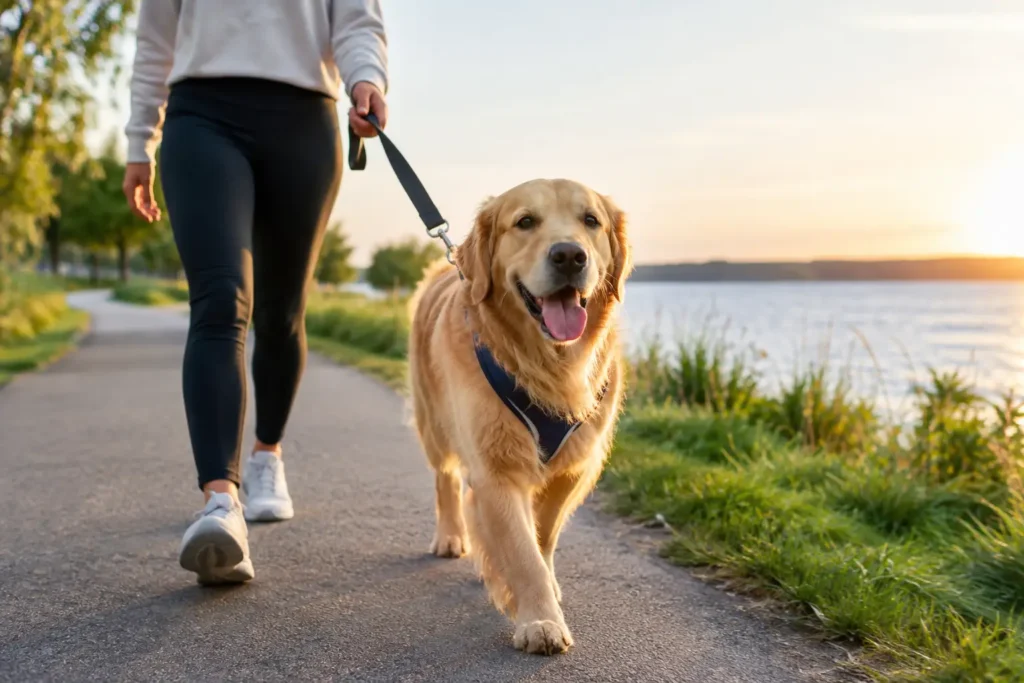
The second your dog hears the leash clip, their whole body may change. Ears lift, paws tap, and the day suddenly has a purpose. That excitement is part of why do dogs need routine walks: a walk is not simply a bathroom break. For many dogs, it is their most meaningful opportunity to move, investigate, practice skills, and feel connected to the world beyond the apartment door.
For Manhattan dogs, that need is especially real. City life brings sirens, delivery carts, crowded sidewalks, unfamiliar dogs, food smells, and busy intersections. Consistent, well-handled walks give dogs a dependable outlet while helping them build confidence in the environment they live in every day.
Why Do Dogs Need Routine Walks for More Than Exercise?
Physical activity matters, but a good walk does much more than burn energy. Dogs experience the world through scent, movement, and observation. A few unhurried minutes spent sniffing a tree grate or tracking the path of another dog can provide mental work that a quick trip downstairs cannot.
Routine also gives a dog predictability. Dogs do not read calendars, but they learn patterns quickly. Knowing that a familiar person arrives around the same time, follows the same safety steps, and takes them out for a calm walk can reduce uncertainty during a long workday. This is particularly helpful for puppies still learning the rhythm of home life, dogs adjusting to a move, and dogs that become anxious when left alone.
A tired dog is not always a calm dog. Some high-energy dogs need more physical activity, while others benefit most from a slower, sniff-focused outing with clear guidance. The goal is not to exhaust every dog. It is to provide the right balance of movement, enrichment, and structure for that individual dog.
Regular movement supports healthy bodies
Appropriate daily activity helps dogs maintain muscle tone, mobility, and a healthy weight. It can also support digestion and create more reliable bathroom habits. The right amount of walking depends on age, breed, health, temperament, and what else happens during the day.
A young, athletic dog may need a 60-minute outing with purposeful movement and training opportunities. A senior dog, a small dog, or a dog recovering from an injury may do better with shorter, gentler walks and more time to sniff. Owners should always follow their veterinarian’s guidance for dogs with medical conditions, joint concerns, or exercise restrictions.
What matters most is consistency. One very long weekend walk does not replace the benefits of regular weekday outings. Bodies and habits respond better to a dependable routine than to an all-or-nothing schedule.
Sniffing is real enrichment
To a person, the same block can feel repetitive. To a dog, it changes constantly. A new scent on a lamppost, traces of rain, another dog’s route, or food from a nearby restaurant all deliver information. Allowing safe, appropriate sniffing gives a dog a chance to process their surroundings instead of being hurried from point A to point B.
That does not mean every walk should be loose and unstructured. In New York City, a dog also needs to move safely through crosswalks, stay clear of street hazards, and respect personal space on narrow sidewalks. The best walks combine moments of exploration with calm guidance. A dog can sniff, then check in. They can pause, then continue with a loose leash.
Routine Walks Can Improve Behavior at Home
Many behavior concerns are not caused by a lack of love or a “bad” dog. They can be signs that a dog is bored, under-stimulated, frustrated, or unsure of what is expected. Chewing, pacing, barking at hallway sounds, jumping on guests, and restless evening energy may improve when a dog has regular opportunities to move and decompress.
Routine walks are not a cure-all. Separation anxiety, reactivity, pain, and fear require thoughtful support and sometimes help from a veterinarian or qualified behavior professional. Still, consistent outings can be an important part of a broader plan because they give the dog a predictable release valve and a chance to practice calm behavior outside the home.
The quality of the walk matters here. A crowded pack walk may be too stimulating for a dog that is nervous around other dogs or easily distracted by fast-moving city activity. One-on-one attention allows the handler to adjust the pace, route, distance, and expectations based on what the dog is showing that day.
Consistency Builds Safer Leash Habits
Leash manners are not learned in a single training session. They are built through repetition: stopping before a curb, waiting at an apartment door, responding to a cue, moving past a distraction, and learning that pulling does not make the walk go faster.
In Manhattan, these skills are safety skills. A dog that lunges toward a pigeon, darts after a food wrapper, or pulls into an intersection can put themselves and their handler at risk. Regular walks create frequent, low-pressure chances to practice the habits that make city outings safer and more enjoyable.
Familiar handling makes a difference
Dogs notice inconsistency. If one person allows pulling, another uses different cues, and a third rushes through every stop, it can be hard for a dog to understand what is expected. A consistent walker can reinforce the same approach over time while paying attention to small changes in behavior.
Maybe your dog is suddenly hesitant near construction noise. Maybe they are more reactive at a particular corner, or perhaps they are making progress walking past other dogs with a little extra distance. These details matter. They help shape safer future walks and give owners a clearer picture of their dog’s day.
Clear communication also builds trust with owners. Check-in and check-out alerts, walk summaries, photos or videos, and a quick note about bathroom habits, mood, or distractions help make professional dog walking feel personal. You should not have to wonder whether your dog got the care you scheduled.
How Often Should Your Dog Walk?
There is no single schedule that fits every dog, but most dogs benefit from multiple chances to go outside each day. A midday walk is often especially valuable for households where everyone is away for work or school. It breaks up a long stretch alone and gives the dog a chance to reset before the evening.
Puppies may need more frequent, shorter trips because they are building bladder control and learning about the world. Adult dogs often do well with a morning outing, a midday walk, and an evening walk, adjusted for their energy level. Senior dogs may need a gentler routine with more frequent bathroom breaks. Weather also matters. On hot, humid days, shorter walks at cooler times may be safer; in heavy rain or extreme cold, a brief outdoor break plus indoor enrichment may be the sensible choice.
Rather than focusing only on minutes, pay attention to your dog after the walk. Do they settle more easily? Are they comfortable, hydrated, and eager but not frantic? Are their leash skills improving? Those clues help you and your care team refine the routine.
A Walk Is a Relationship, Not an Errand
The most valuable walks are not rushed. They are attentive. A thoughtful walker notices when a dog needs space, when they are ready to practice a cue, when the sidewalk is too busy, and when a favorite sniff spot offers a welcome pause.
At Pet Love NYC, individualized walks are designed around that kind of care. A 30-minute or 60-minute outing can be structured for your dog’s energy, confidence, and leash needs, with the dependable updates busy city owners deserve. For multi-dog households, same-household walks can also keep familiar dogs together while preserving focused handling.
Your dog does not need a perfect walk every time. They need a safe, consistent person who pays attention, a routine they can count on, and enough time to be a dog. That daily rhythm can make the apartment feel calmer, the sidewalk feel less overwhelming, and your reunion at the end of the day even sweeter.