
Why Personalized Dog Care Service Matters in NYC
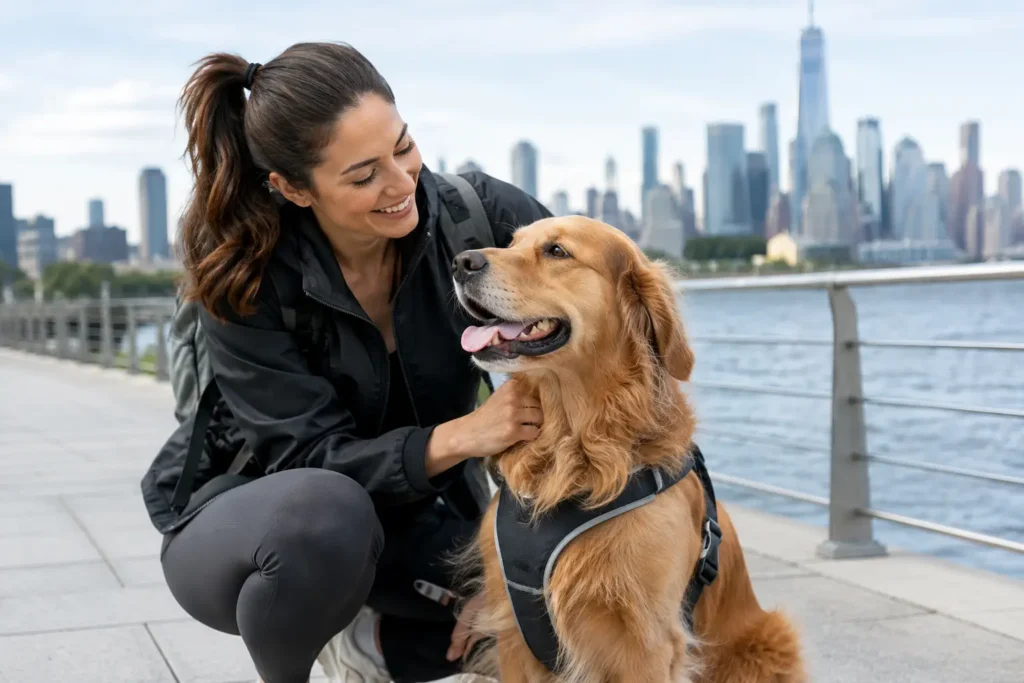
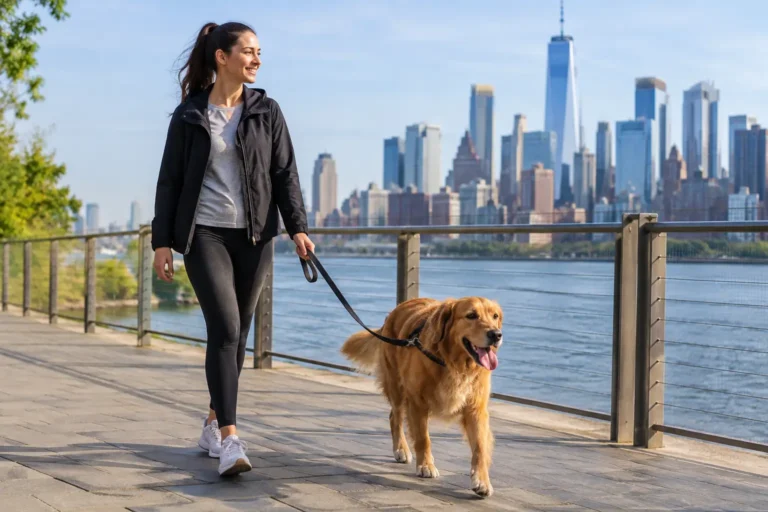
Your dog does not experience Manhattan as a schedule on a calendar. They experience it as a rush of sounds, scents, scooters, crowded corners, other dogs, construction, and the relief of seeing a familiar person at the door. A personalized dog care service recognizes that every walk needs to be shaped around the dog in front of the leash, not squeezed into a one-size-fits-all route.
For busy dog parents, dependable daytime care is about more than making sure a dog gets outside. You want to know your dog is safe on the sidewalk, emotionally comfortable with their walker, and getting exercise that supports their particular energy level and behavior. You also want clear communication, because trusting someone with your dog and your home should never mean wondering how the visit went.
What Personalized Dog Care Really Means
Personalized care is not simply using your dog’s name or sending a photo after a walk. Those thoughtful details matter, but real individual care starts with learning how a dog moves through the city.
A young, high-energy dog may need a brisk 60-minute walk with structured stops to practice focus around distractions. A senior dog may be happier with a slower 30-minute outing, extra time to sniff, and careful attention to stairs, weather, and comfort. A newly adopted dog may need consistency before they are ready for a busy park or a longer route.
The right plan also considers temperament. Some dogs greet every passing person with joy. Others become overwhelmed by rolling carts, loud trucks, or dogs approaching too quickly. Neither response makes a dog difficult. It simply means their walker should understand their cues, maintain a safe distance when needed, and make decisions that protect their confidence.
This is why one-on-one attention can make such a meaningful difference. In a large pack walk, the pace, route, and handling style are often dictated by the group. With individual walking, your dog’s needs remain the priority from check-in to check-out.
Why Manhattan Dogs Need Individual Attention
New York City walks ask a lot of dogs. They need to wait at intersections, pass strangers closely, ignore dropped food, navigate narrow sidewalks, and settle after an unexpected horn or siren. These are skills, not assumptions.
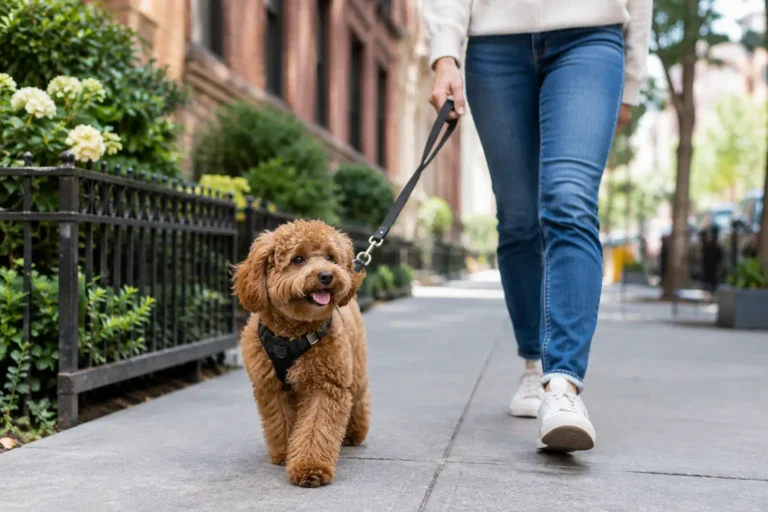
A personalized dog care service gives your dog a consistent handler who can reinforce the habits you want at home and outdoors. That might mean rewarding calm attention before crossing the street, creating space from another dog, or slowing down when your dog is showing signs of stress. Over time, steady handling helps many dogs feel more secure because the expectations are clear.
Consistency is especially helpful for puppies, dogs with separation anxiety, and dogs still building leash manners. Puppies benefit from short, positive exposures to the city without being pushed too far too fast. An anxious dog may do best with a calm arrival, a familiar walking routine, and a caregiver who notices small changes in body language. Dogs that pull or lunge need patient, repeatable guidance rather than a rushed correction at the end of a crowded leash.
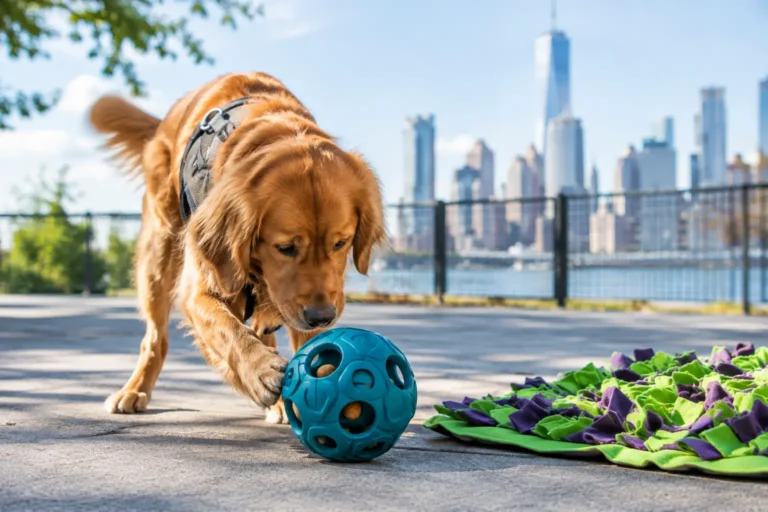
Of course, individual care does not mean every walk must be quiet or slow. Some dogs thrive on an active route and a longer outing. The difference is that their exercise is purposeful. They get the movement, enrichment, and structure that fits them rather than whatever happens to work for a group.
The Difference Between a Quick Potty Break and a Quality Walk
A quick outdoor break can be useful on a packed day, but it is not always enough to meet a dog’s physical and emotional needs. A quality walk gives a dog time to move, sniff, practice good behavior, and reset before spending more time at home.
Thirty-minute walks can be an excellent fit for adult dogs who need a reliable midday break or for puppies who are still developing their stamina. Sixty-minute walks give active dogs more room for exercise and enrichment, especially when they are home while their parents are at work. The best length depends on age, health, breed tendencies, weather, and how much activity your dog receives outside of daytime walks.
For multi-dog households, the question is slightly different. Dogs who live together and walk well as a pair may enjoy a same-household group walk. It can be practical for owners and comforting for dogs who are bonded. But it should still be handled with care. Even siblings can have different walking speeds, triggers, or training needs, so the walker should be prepared to adjust the outing when one dog needs extra support.
A good provider will not promise that one duration or style works for every dog. They will ask questions, observe your dog, and explain why they recommend a certain schedule.
Safety Is Built Into the Small Details
Trustworthy dog care is often visible in the details owners do not see during the walk. It begins with a thoughtful consultation: discussing your dog’s routine, feeding rules, medical considerations, preferred equipment, building access, emergency contacts, and behavior around people and other dogs.
It continues with reliable systems. Check-in and check-out alerts confirm when care begins and ends. Walk summaries help you understand what your dog did, how they behaved, and whether anything changed. Photos and videos offer a welcome glimpse of a happy face outside, while SMS follow-up makes it easier to share an update or ask a question without waiting.
Insurance coverage matters, too. It shows that a pet care provider takes responsibility seriously and has planned for the unexpected. No one can remove every risk from a city sidewalk, but professional care means reducing avoidable risks through attentive handling, safe routing, sound judgment, and open communication.
There is also a practical safety benefit to having a consistent walker. A person who sees your dog regularly may notice changes that a one-time caregiver could miss: reluctance to climb stairs, unusual fatigue, a shift in appetite for treats, or new reactivity on a familiar block. Those observations are not a substitute for veterinary care, but they can give owners useful information early.
When Leash Training Belongs in the Care Plan
Many dogs pull because the city is exciting, not because they are trying to be disobedient. A squirrel appears. Another dog rounds the corner. A delivery cart rattles by. Without guidance, a dog can learn that pulling is the fastest way to reach every interesting thing.
Leash training workshops can help owners and dogs work through these everyday challenges together. Useful urban leash training focuses on real-life skills: reducing pulling, managing distractions, creating calm at intersections, and helping dogs check in with their person. The goal is not to make a dog robotic. It is to build safer, more enjoyable walks for everyone.
Training is most effective when the guidance is consistent across the people walking the dog. If your dog is learning to pause at curbs, maintain a comfortable distance from other dogs, or walk with a looser leash, their daytime walker can support those same expectations. Progress is rarely perfectly linear, especially in a city. Some days will be easier than others. What matters is a calm, patient approach that does not punish a dog for being a dog.
Questions Worth Asking Before You Choose Care
Before inviting a dog walker into your routine, ask how they match walks to a dog’s energy level and behavior. Ask whether walks are one-on-one or group-based, how same-household dogs are handled, and what happens if weather or an unexpected city disruption changes the usual route.
You should also understand the communication process. Will you receive arrival alerts, a walk report, and photos? Who should you contact if you need to change instructions? How are emergencies handled? Clear answers are a sign that a company respects both your peace of mind and your dog’s well-being.
Finally, pay attention to whether the provider wants to know your dog as an individual. A free consultation is valuable because it creates space to discuss the details that matter: your dog’s favorite route, sensitivities, routines, training goals, and the kind of affection that helps them feel at ease.
At Pet Love NYC, that relationship-first approach guides every walk. Your dog deserves more than being moved through a route between meetings. They deserve a familiar, caring professional who pays attention to the little things, keeps you informed, and makes their time outside feel safe, engaging, and full of love and kisses.