
10 Signs Your Dog Needs Exercise More Often
A dog can have a full bowl, a soft bed, and plenty of love, then still spend the afternoon pacing by the apartment door. In Manhattan, where potty breaks can be quick and sidewalks are full of stimulation, recognizing the signs your dog needs exercise can make a real difference in their mood, behavior, and comfort.
Exercise is not simply about tiring a dog out. A good walk gives them a chance to move their body, sniff, observe, practice calm behavior around city distractions, and reconnect with their person or trusted walker. The right amount varies by age, breed, health, temperament, and daily routine. But when a dog is not getting enough physical and mental outlet, they often find a way to tell us.
Why Exercise Needs Look Different in New York City
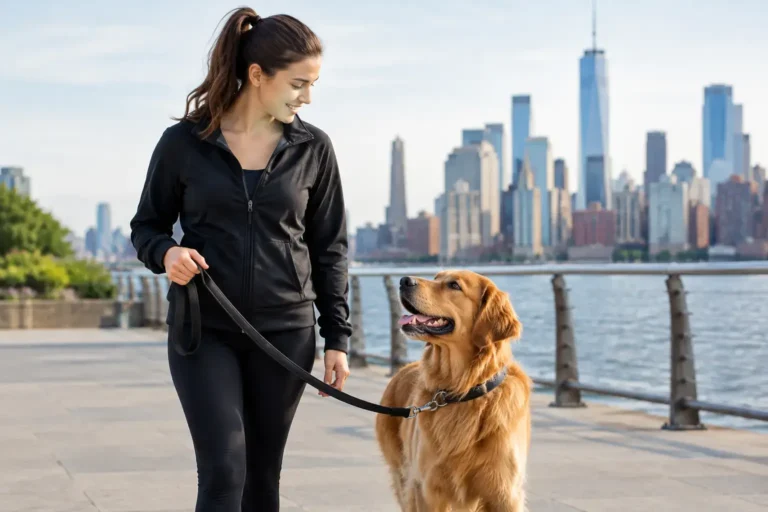
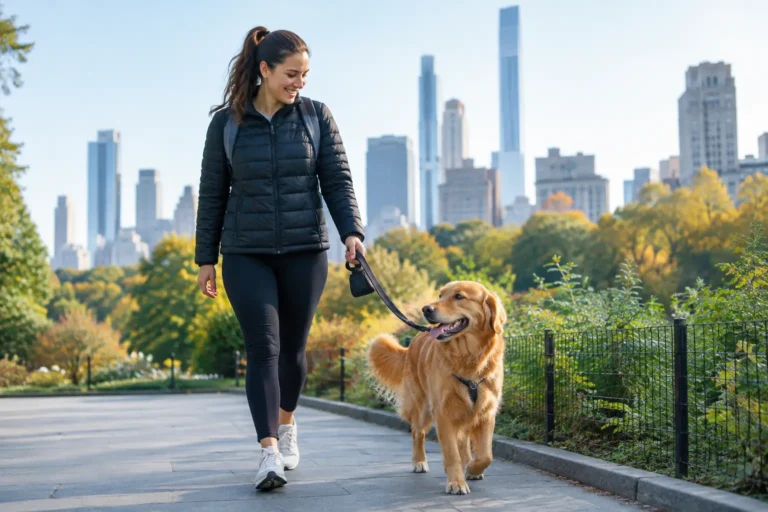
A backyard is not the same as a purposeful walk, and a fast trip to the curb is not always enough for a dog who has been indoors since morning. City dogs manage elevators, traffic sounds, strangers, scooters, other dogs, and busy intersections. That takes focus, but it does not replace the need to stretch their legs, sniff at their own pace, and release energy in a safe, structured way.
For some dogs, a consistent 30-minute walk is exactly what helps them settle through the afternoon. Others, especially young, athletic, or highly social dogs, may benefit from a 60-minute outing or additional enrichment at home. Senior dogs and dogs recovering from injury may need shorter, gentler walks instead. More exercise is not automatically better. The goal is an appropriate routine that leaves your dog content, not overstimulated or exhausted.
10 Signs Your Dog Needs Exercise
1. They pace, circle, or stare at the door
Repeatedly walking from room to room, circling the same space, or waiting intensely by the leash can be a straightforward request for an outing. A dog may be ready for a bathroom break, but they may also be craving movement and a change of scenery after a long stretch indoors.
Look at the pattern. If the behavior happens at the same time each day, especially before you return from work or between scheduled walks, their routine may need more support.
2. They turn everyday objects into chew toys
Shoes, furniture legs, remote controls, and mail are tempting targets for a bored dog with energy to spare. Chewing is normal dog behavior, particularly for puppies, but destructive chewing often increases when a dog lacks a satisfying outlet.
Before assuming your dog is being difficult, ask whether they have had enough movement, attention, and appropriate things to chew that day. Management matters too. Keep unsafe items out of reach while you build a more reliable routine.
3. They become extra restless at night
A dog who follows you from room to room, cannot settle on their bed, repeatedly brings toys over, or suddenly gets the evening zoomies may have unused energy. A late-night burst does not always mean your dog needs a marathon walk. It can mean their daytime schedule was too quiet or too interrupted.
An earlier structured walk, a short sniff-focused evening outing, or a few minutes of simple training may help your dog transition into rest more easily.
4. Their barking has increased
Dogs bark for many reasons: alerting, excitement, fear, frustration, or a response to hallway sounds. In apartment buildings, the sounds of doors, deliveries, and neighbors can make this especially noticeable. When barking increases alongside pacing or restlessness, a lack of exercise or enrichment may be part of the picture.
Exercise will not solve every barking issue. A dog who is anxious, fearful, or reactive needs patient handling and may need professional behavior support. Still, a dog who has had a calm, fulfilling outing often has more capacity to settle at home.
5. They pull hard or seem frantic at the start of walks
A dog who launches out the front door may be excited, but they may also be overdue for activity. Long gaps between walks can turn a simple potty trip into a rush of pent-up energy, making leash pulling and distraction much harder to manage.
This is where consistency helps. Regular walks give your dog predictable opportunities to explore, while calm leash-training practice teaches them that moving forward does not require dragging you down the block. In a crowded city, that combination supports both safety and enjoyment.
6. They are constantly seeking your attention
Nudging your hand, dropping a toy in your lap, whining while you work, or interrupting every call can be your dog’s way of saying they need engagement. Of course, dogs also seek affection because they love you. The distinction is whether they can settle after receiving a little connection or whether they remain persistently restless.
A quality walk provides more than steps. New smells, changing routes, and calm observation of the neighborhood give a dog meaningful mental activity that a quick lap around the block may not provide.
7. They gain weight or lose muscle tone
A gradual change in body condition can signal that a dog’s activity level and calorie intake are out of balance. You may notice less definition around the waist, difficulty jumping onto familiar furniture, or reduced stamina on walks.
Weight changes can also be medical, especially if they are sudden. Talk with your veterinarian before making major changes to food or activity, particularly for puppies, senior dogs, or dogs with joint, heart, or respiratory conditions.
8. They seem overexcited when anyone comes home
Many dogs greet their people enthusiastically. But if your dog jumps, spins, vocalizes, or struggles to regain control long after the initial hello, they may be carrying a lot of unused energy through the day. A dependable midday walk can give them a welcome break between your departure and return.
For busy Manhattan households, this can also make evenings feel more peaceful. Your dog has already had individual attention, a chance to move, and a chance to use the bathroom before the household gets busy again.
9. They are more irritable with people or other dogs
A dog who is under-exercised may become short-tempered, impatient, or more reactive around normal frustrations. That does not mean exercise is a cure for aggression or fear. Those behaviors deserve careful assessment and a plan that prioritizes safety.
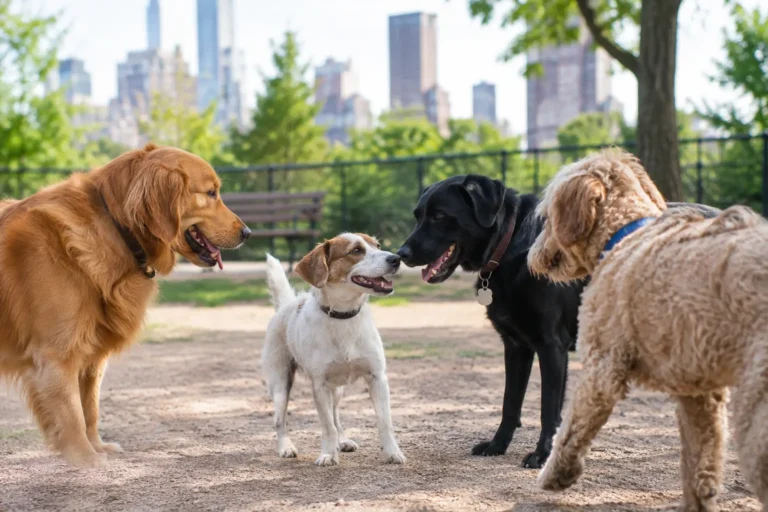
However, when a dog’s needs are consistently met, they are often better able to cope with everyday triggers. Individualized walks are particularly valuable for dogs who need space, a slower pace, or thoughtful handling around other dogs and crowded intersections.
10. They sleep poorly during the day
Healthy adult dogs sleep a great deal, but there is a difference between relaxed rest and an unsettled day of waking at every sound. If your dog seems unable to nap, repeatedly changes spots, or reacts to each hallway noise, a well-timed walk may help them decompress.
The ideal outing is not about pushing a dog until they collapse. It is about helping them return home satisfied enough to rest comfortably.
How to Give Your Dog Better Exercise, Not Just More of It
Start by observing your dog’s day for a week. Note when they are calm, when they become restless, how long their walks last, and what happens afterward. This gives you a clearer picture than guessing based on breed alone. A small terrier may need a surprising amount of activity, while a large senior dog may do best with several measured, low-impact outings.
Make walks purposeful. Allow safe sniffing time, practice a few simple cues at calm moments, and choose routes that fit your dog’s confidence level. A shy dog may thrive on quieter streets and predictable routines. A social dog may enjoy park-adjacent routes but still need guidance around greetings. For dogs who pull, lunge, or become overwhelmed, slower walks with consistent handling are often more productive than adding distance.
If your workday keeps you away for hours, dependable daytime support can protect your dog’s routine without asking them to hold it together until evening. Pet Love NYC provides one-on-one 30-minute and 60-minute walks designed around each dog’s pace, comfort, and urban walking needs. Check-in and check-out alerts, walk updates, and photos help you stay close to your dog’s day, even when your calendar is full.
A calmer home often starts outside the front door. When your dog has regular movement, safe exploration, and attentive companionship built into their day, you are not just addressing unwanted behavior. You are giving them the love, attention, and healthy routine they deserve.