
A Guide to Dog Walk Reports for NYC Dog Owners
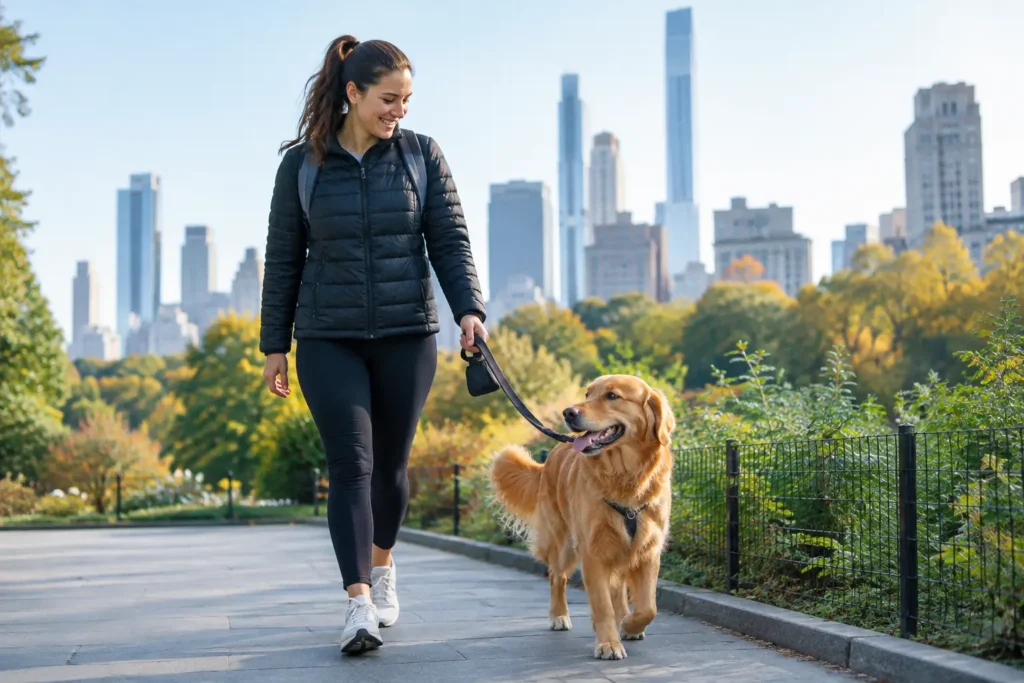
Your dog cannot tell you how their midday walk went, but a thoughtful update can come close. This guide to dog walk reports helps Manhattan pet parents understand what a quality report should say, why those details matter, and how to use them to support a happier, safer routine.
For a busy owner, a walk report is more than a pleasant photo between meetings. It is confirmation that someone arrived when promised, handled your dog with care, noticed their needs, and brought them home safely. The best reports also give you a real window into your dog’s day: their energy, bathroom habits, confidence on the sidewalk, and the little moments that make them who they are.
What a Dog Walk Report Should Tell You
A useful report answers the questions you would ask if you had been there yourself. Did your dog get outside on schedule? Did they pee and poop? How was their appetite or water intake if that was part of the visit? Did they seem playful, tired, nervous, distracted, or extra affectionate?
The goal is not to turn every walk into a formal medical chart. It is to offer meaningful, accurate information without vague filler. “Great walk!” is kind, but it does not tell you much. “Bella peed twice, pooped once, and happily sniffed through the quieter side streets before settling nicely at home” gives you a clear picture.
For New York City dogs, context is especially valuable. A report might note that a delivery truck startled your dog near an intersection, that they passed another dog calmly, or that construction noise made them hesitant. Those details help everyone respond consistently, especially when a dog is learning leash skills or adjusting to a new neighborhood routine.
The Essential Details in a Great Walk Update
Check-in and check-out confirmation
Reliable communication starts before the walk itself. Check-in and check-out alerts confirm that your walker arrived and that your dog was safely returned home. For apartment residents, this matters for more than convenience. It provides reassurance that building access, keys, elevators, and home-entry routines were handled responsibly.
Timing can vary slightly when elevators stall, weather turns, or city sidewalks are unusually crowded. Still, a dependable service should communicate clearly when anything affects the planned schedule. Consistency builds trust, and trust is what lets you focus on your day without wondering whether your dog has been cared for.
Bathroom and health observations
Bathroom updates are among the most practical parts of a dog walk report. Regular patterns can help you notice changes early, whether your dog skipped a bowel movement, had loose stool, drank more water than usual, or seemed uncomfortable.
One unusual update does not automatically mean something is wrong. Dogs have off days, changes in appetite, and different bathroom rhythms. But a walker who pays attention can help you spot a pattern worth discussing with your veterinarian. Clear observations are better than guesses: what happened, when it happened, and how your dog appeared afterward.
Behavior, mood, and energy
Dogs communicate constantly through body language. A walker who spends focused one-on-one time with your dog can often tell whether they are feeling bouncy, relaxed, overstimulated, withdrawn, or simply ready for a longer sniff break.
Behavior notes matter because they make care more personal. A high-energy young dog may need a brisk, structured route and practice pausing at curbs. A senior may benefit from a slower outing with time to investigate. A dog with separation anxiety may be especially comforted by a familiar voice and a calm return-home routine.
A good report reflects the dog in front of the walker, rather than treating every outing the same. That individualized attention is particularly important in a city where noise, traffic, bicycles, other dogs, and sidewalk congestion can change from block to block.
Photos and videos with a purpose
A photo of your dog enjoying a walk can brighten any workday. It also offers visual reassurance that they are comfortable, safely handled, and enjoying their time outside. A short video can be even more useful for a dog working on loose-leash walking, calm greetings, or confidence around street activity.
Photos should support care, not distract from it. Your dog’s safety always comes first. The best images are taken when the walker has secured the situation and your dog is settled, rather than while navigating a busy crosswalk or managing a challenging encounter.
How to Read a Dog Walk Report Without Overthinking It
It is natural to scan every update closely, especially when you are getting to know a new walker or your dog has special needs. Look for the overall pattern rather than expecting identical notes every day. Your dog may be thrilled to greet a neighbor on Tuesday and less interested on Wednesday. Both can be perfectly normal.
Pay attention when the same concern appears across multiple reports. Repeated pulling near a particular intersection, reluctance to leave the building, skipped meals, or increasing reactivity around dogs are all helpful signals. They give you and your care team a starting point for a calm, practical plan.
It also helps to distinguish a reportable observation from an emergency. If a walker sees something urgent, such as injury, severe illness, or dangerous behavior, a written report should not be the first point of contact. You should receive prompt direct communication. The report can document the event afterward, but your dog’s immediate well-being comes first.
Why Consistent Reports Improve Training
Walk reports become especially valuable when they connect daily care with training goals. If your dog is practicing polite leash manners, you want more than the note that they “did well.” Specific feedback shows where progress is happening and where extra support may help.
For example, a walker might share that your dog pulled toward pigeons for the first few minutes but responded to a pause-and-reset routine afterward. Or they may note that your puppy waited more calmly at the curb than last week. These small observations make training feel less mysterious because you can reinforce the same approach during your own walks.
Consistency is key, but every dog has a different threshold. Some dogs are ready to practice in a lively park setting. Others learn better on a quieter route before facing a crowded avenue. There is no prize for pushing too fast. The right plan protects your dog’s confidence while building skills one successful outing at a time.
What to Share With Your Dog Walker
The clearest reports begin with clear information from you. Let your walker know about your dog’s normal bathroom routine, food sensitivities, medications, triggers, favorite treats, fear cues, and preferred handling. If your dog is uncomfortable with men in hats, skateboards, being approached by strangers, or passing close to other dogs, that information helps prevent stressful situations.
Be equally honest about routines at home. Does your dog guard the leash? Do they need a few minutes to warm up before leaving the apartment? Are they likely to counter-surf after a walk if food is left out? Small details help a professional provide safer, smoother care.
You can also share what kind of communication feels most helpful. Some owners want a brief update with a photo; others appreciate more detailed behavior notes while their dog is building confidence or working through leash challenges. A caring service will tailor communication to your dog and your peace of mind.
Signs a Walk Report Is Falling Short
A report does not need to be lengthy to be valuable, but it should be consistent and specific enough to establish trust. Be cautious if updates repeatedly arrive late, contain generic copy that could describe any dog, or fail to mention basic needs such as bathroom breaks and return-home status.
You should also expect transparency when a walk does not go exactly as planned. A sudden downpour, a maintenance issue in the building, or a dog who refuses to go farther than the lobby can happen. What matters is how the walker responds: keeping your dog safe, adapting thoughtfully, and telling you what occurred.
At Pet Love NYC, individualized walks are designed to give each dog focused attention, with check-in and check-out alerts, walk summaries, and photos or videos that keep families informed. That level of communication is not an extra touch. It is part of responsible care.
The best dog walk report leaves you with a simple, reassuring feeling: your dog was seen, understood, and cared for as an individual. When those small daily updates are honest and attentive, they become one more way to stay connected to the dog you love while life in Manhattan keeps moving.