
How to Schedule Puppy Bathroom Breaks in NYC
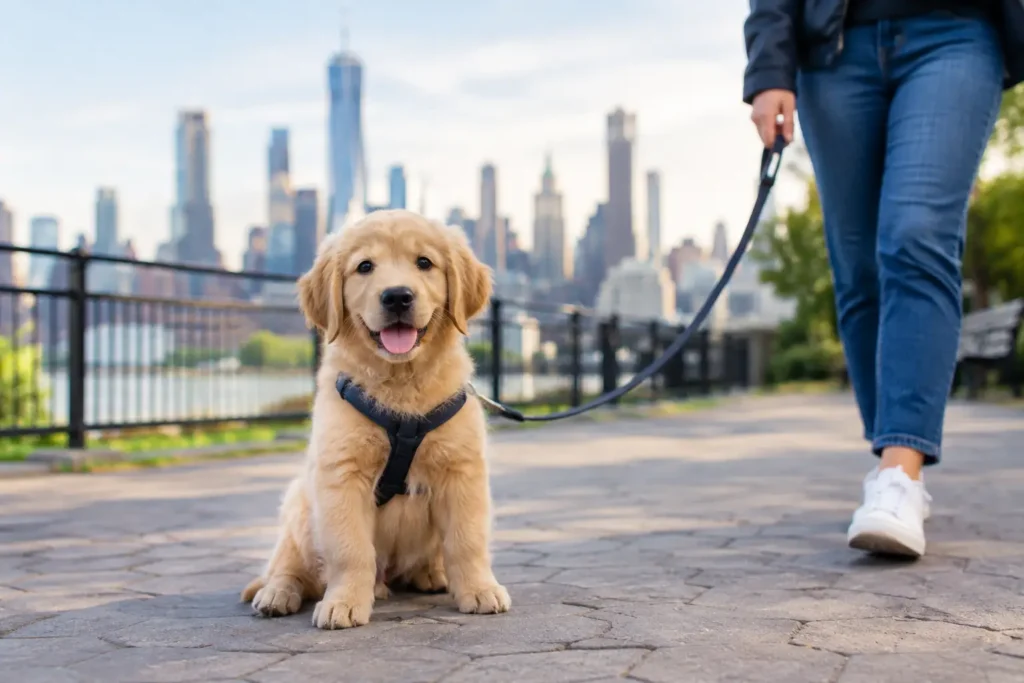
A puppy can make it through a surprisingly busy Manhattan morning – right up until they cannot. One minute they are sniffing the rug while you answer an email; the next, they are circling behind the couch. Learning how to schedule puppy bathroom breaks is less about chasing a perfect clock and more about noticing the predictable moments when a young dog needs a calm, timely trip outside.
For city puppies, potty training also means elevators, lobby noise, traffic, other dogs, and a limited patch of grass. A reliable routine gives your puppy clarity. It also gives you a better chance of getting downstairs before an urgent moment becomes an indoor accident.
Start With Your Puppy’s Real Needs
Young puppies have small bladders and very little ability to wait once they feel the urge. Age matters, but it is only one piece of the picture. A cautious rule of thumb is that a puppy may be able to hold it for roughly one hour per month of age, up to about eight hours. That is a capacity estimate, not a daytime schedule or a promise that they will be comfortable waiting that long.
A 10-week-old puppy may need a bathroom opportunity every one to two hours while awake. A four-month-old puppy may manage longer stretches, especially overnight, but can still need frequent outings after play, meals, and naps. Tiny breeds, anxious puppies, puppies adjusting to a new home, and dogs with digestive upset often need more frequent trips.
The most useful approach is to give your puppy a chance to go before they become desperate. That prevents accidents, protects their confidence, and lets you reward the behavior you want: going in the right place.
Schedule Puppy Bathroom Breaks Around Triggers
Rather than relying only on set times, build your day around the events that make elimination likely. For most puppies, the big four are waking up, eating or drinking, active play, and finishing a nap.
Take your puppy out immediately after waking, even if they only slept for 20 minutes in their crate or beside your desk. Offer a bathroom break shortly after every meal and after a big drink of water. A lively tug session, zoomies in the living room, or an exciting greeting when someone comes home can all trigger an urgent need to pee.
This rhythm matters especially in apartment living. Do not wait until your puppy is pacing, whining, sniffing intensely, suddenly wandering away, or circling. Those can be late signals. Clip on the leash and begin the elevator ride as soon as the trigger happens.
A practical daytime rhythm
Every household runs differently, but a young puppy’s day may look like this: an immediate morning potty trip, breakfast, another quick trip outside, a mid-morning break, a midday walk, an afternoon break after a nap, a potty opportunity after dinner, and one final quiet trip before bed.
If your puppy is under four months old, expect more trips between those anchors. If you are working from home, set a recurring phone reminder so a meeting or a deadline does not stretch the interval too long. If you work outside the home, arrange dependable daytime support before your puppy arrives, not after accidents begin.
For many Manhattan households, a consistent 30-minute midday visit can be a meaningful part of the routine, but very young puppies may need a shorter break earlier or later in the day too. The right schedule depends on your puppy’s age, travel time from apartment to sidewalk, and how long they are alone.
Make the Outdoor Routine Boring and Clear
New York is full of reasons for a puppy to forget why they came outside. A delivery cart rattles by. A neighbor wants to say hello. Another dog appears across the street. Your puppy may want to greet everyone, then suddenly remember they need to pee as you head back indoors.
Start each bathroom outing with a simple purpose. Go to the same appropriate area when possible, keep the leash short enough for safety without pulling your puppy along, and give them a few quiet minutes to sniff. Use one calm cue, such as “go potty,” only as they are beginning to eliminate. Over time, the words will become meaningful.
The reward should happen right after they finish – praise warmly, offer a small treat if you use food rewards, then allow a little sniffing or continue into a walk. That timing helps your puppy understand exactly what earned the good thing.
A quick bathroom trip and a full neighborhood walk are not always the same. Separating them can help during early training. Your puppy learns that the first job outside is to relieve themselves, while the longer walk can include exploring, training, and exercise once that need is met.
Keep a Simple Record for One Week
If the schedule feels unpredictable, do not guess. Track it. For seven days, note when your puppy eats, drinks heavily, sleeps, urinates, has a bowel movement, and has an accident. You will usually see patterns quickly.
Maybe your puppy needs to poop 15 minutes after breakfast but does not pee again until after their 10 a.m. nap. Maybe accidents happen during the long elevator trip because the current break comes too late. Maybe an evening burst of play means the last outing needs to move earlier, with another final chance before bed.
This record is also useful when more than one person cares for your puppy. Everyone can follow the same plan instead of assuming someone else took them out. Consistency is one of the kindest things you can give a young dog.
Plan for Workdays, Not Ideal Days
A puppy’s routine has to work on Tuesdays, not just quiet weekends. Before leaving for work, give your puppy time for a real bathroom break, not a rushed lap around the block while you watch the clock. If they do not go, supervise closely indoors and try again soon rather than assuming they are empty.
For puppies who cannot yet stay comfortable through your work block, build a care plan with enough visits. A trusted, insured dog walker who knows your puppy’s routine can provide an on-time potty trip, individual attention, and a clear update on what happened outside. For a puppy learning city manners, one-on-one care can also prevent an overstimulating group walk from becoming too much too soon.
At Pet Love NYC, individualized walks and check-in updates help busy owners know when their puppy went out, how the walk felt, and whether anything changed. That communication is valuable when you are fine-tuning a new routine or watching for signs that your puppy needs an earlier break.
Accidents Are Information, Not Misbehavior
Do not scold a puppy for an accident you find later. They will not connect your frustration to the puddle, and they may learn that peeing in front of you is unsafe. That can lead to hiding behind furniture or waiting until you look away.
Instead, clean thoroughly with an enzymatic cleaner and look at the schedule. Was the interval too long? Did a meal, nap, or play session happen before the accident? Was your puppy loose in the apartment without close supervision? The fix is usually more timely outings, better management, or both.
If you catch your puppy beginning to go, interrupt gently and take them outside if you can do so without startling them. If they finish outdoors, reward them. Keep your response quiet and matter-of-fact.
Know When the Schedule Needs a Vet Check
A puppy who suddenly needs to urinate far more often, strains to go, has diarrhea, seems painful, drinks unusually large amounts of water, or has blood in their urine needs veterinary guidance. Potty-training setbacks can be normal, but medical discomfort should never be written off as a training problem.
Once your puppy is reliably successful, lengthen intervals gradually. A routine should grow with your dog rather than forcing them to meet an adult schedule too early. The goal is not simply fewer trips outside. It is a puppy who feels safe, understood, and ready to build good habits one well-timed bathroom break at a time.