
Solo Walk Outcomes: What Your Dog Gains
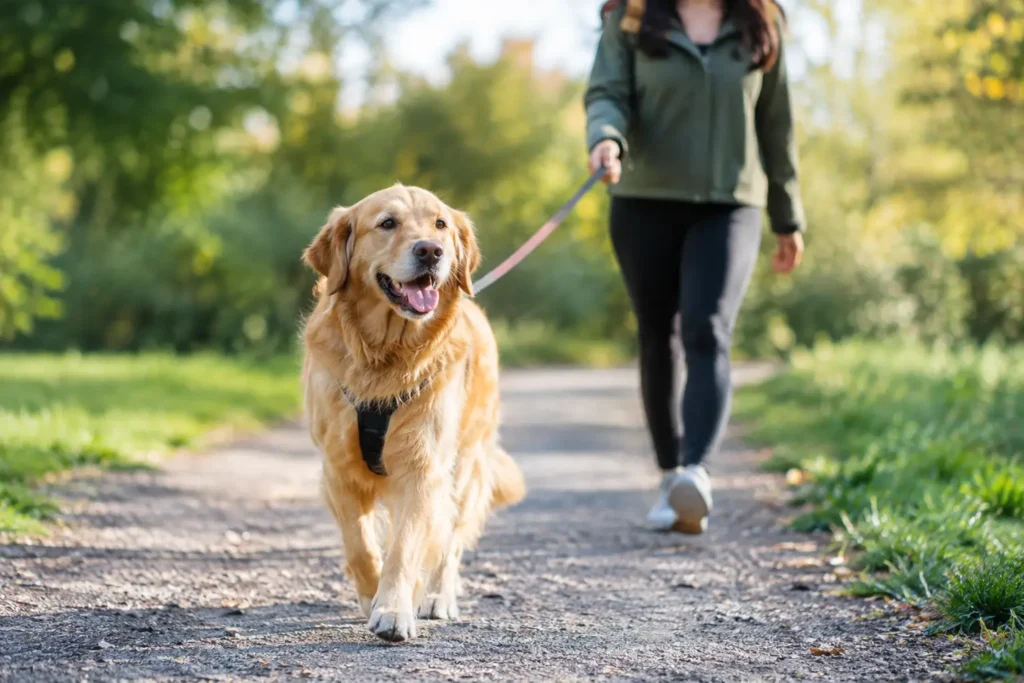
A crowded Manhattan sidewalk can ask a lot of a dog before 9 a.m. There are delivery carts, sirens, scooters, other dogs, tempting food scraps, and people moving in every direction. That is why solo walk outcomes matter far beyond a quick bathroom break. When your dog has one attentive handler focused on their pace, body language, and needs, each walk can support safer habits, better exercise, and a calmer day at home.
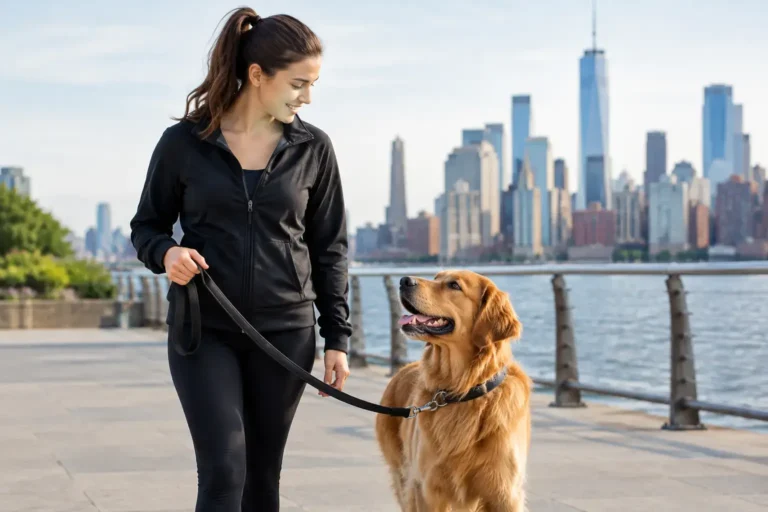
A solo walk is not simply a dog walking alone. It is individualized time built around the dog in front of the leash. For a puppy learning city manners, that may mean practicing calm stops at intersections. For a high-energy adult dog, it may mean a purposeful 60-minute walk with time to sniff and move. For an anxious dog, it may mean a familiar route and patient encouragement without the pressure of keeping up with a group.
Why Solo Walk Outcomes Matter in Manhattan
Group walks can be a fine fit for social, adaptable dogs when they are carefully managed. But they also require every dog to share the same route, speed, stops, and handler attention. In a dense urban environment, that can be a lot to ask of a dog who pulls, startles easily, gets overexcited around other dogs, or simply needs more personal reassurance.
With a one-on-one walk, the handler can make decisions based on your dog’s behavior in the moment. If your dog is becoming overwhelmed near construction, the route can change. If they are having a focused, calm day, there is room to reinforce that good behavior. The walk becomes less about covering a preset route and more about helping your dog have a successful outing.
The Most Meaningful Solo Walk Outcomes
Safer choices around city distractions
Safety begins with attention. A solo walker can watch for loose food, broken glass, bikes entering the sidewalk, sudden traffic noise, and approaching dogs without also managing several leashes. That extra focus matters at curbs, crosswalks, building entrances, and busy park paths.
It also creates space for better handling. A dog does not need to be rushed past every trigger. Your walker can create distance, pause, redirect attention, or choose a quieter block when needed. For dogs still building confidence, these small choices can make city walks feel more predictable and secure.
More useful physical exercise
Thirty minutes can be plenty for one dog and barely a warm-up for another. The value of a walk depends on your dog’s age, health, energy level, weather tolerance, and daily routine. A senior dog may benefit from a gentle, unhurried outing with plenty of time to relieve themselves. A young, energetic dog may need a longer, more active walk to take the edge off before you return home.
One-on-one care allows the pace to match the dog. There is no need to slow an eager dog to accommodate a large group or push a cautious dog to keep up. The result is exercise that feels purposeful rather than generic.
Better leash manners through consistency
Leash pulling is often a communication problem, not a sign that a dog is being difficult. Your dog may be excited, distracted, under-exercised, uncertain, or accustomed to getting where they want by pulling. Improving the habit takes calm, repeatable handling.
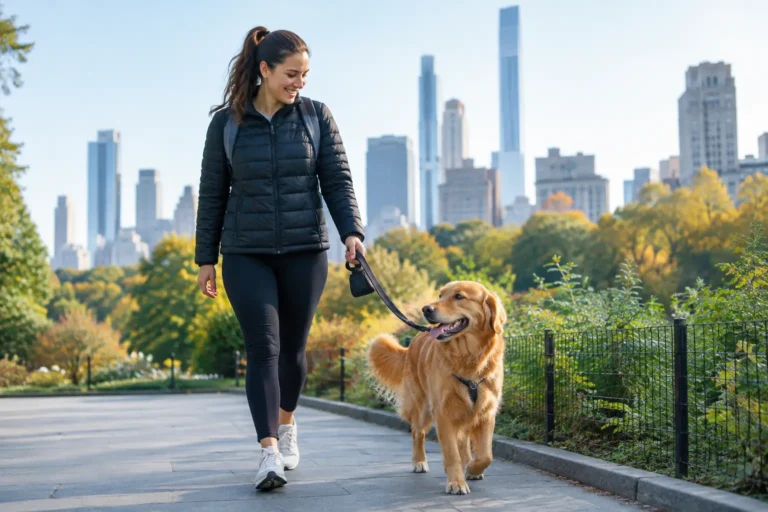
During a solo walk, the handler can reinforce the same expectations at the same moments: waiting at the curb, checking in before crossing, moving past another dog without lunging, and returning attention to the leash when a distraction appears. Progress is rarely a straight line, especially in New York City. Still, consistent one-on-one practice gives your dog a clearer picture of what earns forward movement and praise.
Emotional decompression, not just activity
Dogs need time to process the world through their noses. A walk that includes appropriate sniffing is not wasted time. Sniffing can provide mental enrichment, lower frustration, and help a dog feel more settled afterward.
A personal walk gives the handler room to balance structure with decompression. Your dog can practice polite walking when the sidewalk is busy, then have a few calm moments to investigate a tree or patch of grass when it is safe to do so. This combination is especially helpful for dogs who come home from a rushed outing still restless and wound up.
Clearer insight for owners
A good walk should not disappear into the middle of your workday. Thoughtful updates help you understand how your dog is doing when you are away. A check-in and check-out alert confirms care has begun and ended, while a walk summary can share bathroom habits, energy level, behavior around distractions, and anything worth watching.
Photos and videos offer more than a sweet midday moment. They let you see your dog relaxed, engaged, and cared for. When a walker notices that your dog hesitated near a particular construction zone, seemed extra thirsty, or had an unusually energetic day, that information helps you make better decisions at home too.
Not Every Dog Needs the Same Walk
The best solo walk outcomes depend on the dog. Puppies benefit from short, positive exposures and breaks that respect their developing bodies. Dogs with separation anxiety may need a gentle, familiar routine that does not add more stress to their day. Reactive or easily overstimulated dogs may do better on quieter routes with more distance from triggers.
Even dogs from the same household can have different needs. A same-household walk may be appropriate when both dogs are comfortable together, have compatible walking styles, and can be handled safely as a pair. If one dog is working on pulling while the other needs a slower pace, separate walks may provide better care for both.
Weather matters, too. On hot days, a shorter walk with water breaks and shade may be wiser than pushing for distance. During heavy rain or icy conditions, safety and comfort should lead the plan. Personalized care means adjusting responsibly rather than treating every appointment like a fixed checklist.
What Professional One-on-One Care Should Include
Trust is part of the service. You are inviting someone into your home and placing your dog in their care on busy city streets. Look for a provider that communicates clearly about scheduling, handling practices, insurance coverage, and what happens if your dog’s needs change during the walk.
The best experience starts with a conversation, not assumptions. A consultation should cover your dog’s routines, health considerations, favorite routes, triggers, training cues, building access, and emergency contacts. It should also make room for your questions. You deserve to know who is walking your dog, how updates are delivered, and how the team approaches leash behavior and street safety.
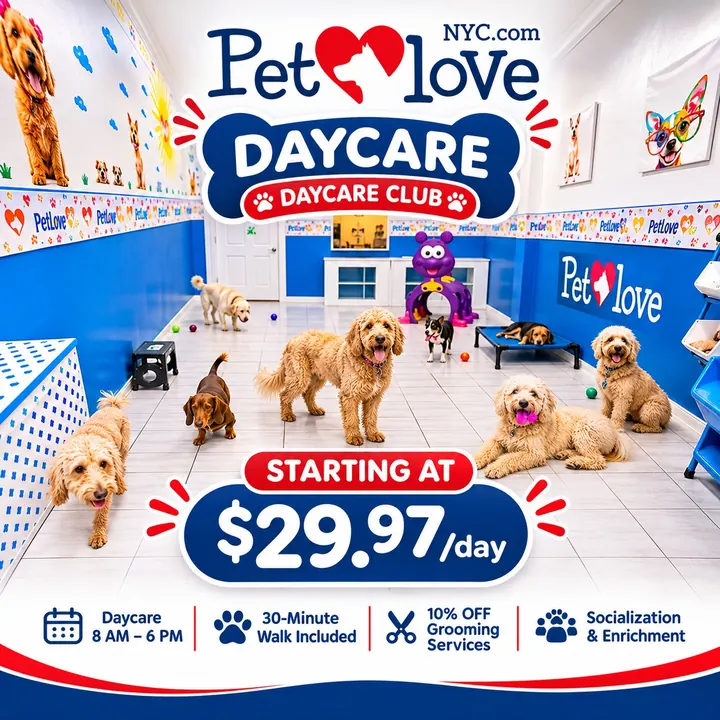
At Pet Love NYC, individualized walks are designed around that relationship. A structured 30-minute or 60-minute visit can include the exercise, affection, and thoughtful handling your dog needs, along with real-time communication that helps you stay connected while you are away.
Turn Walk Updates Into Better Care at Home
When your walker shares an observation, use it as a useful clue rather than a report card. If your dog was calm around a busy intersection, celebrate that progress. If they pulled more than usual, consider what may have changed: less sleep, a new neighborhood noise, another dog nearby, or a missed morning routine.
Consistency between home and walks can make a real difference. Use the same leash cues your dog hears outside, reward calm behavior, and let your walker know about changes in appetite, medication, visitors, or stressful events. That shared information helps everyone support the same goal: a dog who feels safe, understood, and happy on the leash.
Your dog does not need the longest or busiest walk to have a good day. They need a walk that pays attention. When each outing is shaped around their body, behavior, and comfort, the benefits carry quietly into the rest of their life: a more settled afternoon, better habits on the street, and the reassurance that someone treated them with the love and attention they deserve.